
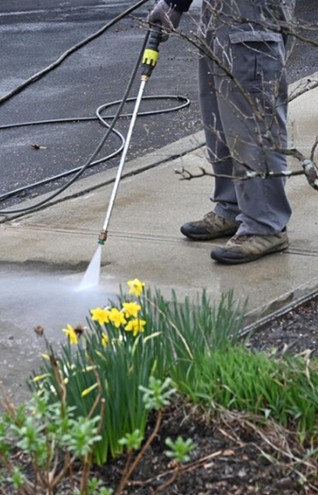
Slips and falls remain one of the leading causes of injuries at both residential and commercial properties and the frustrating truth is that many of these accidents are entirely preventable. One of the most common culprits? Slick, untreated walkways.
Whether you're a homeowner focused on protecting your family and visitors or a business owner responsible for the well-being of customers and employees, slippery surfaces pose a serious safety risk. Rain, algae, moss, mildew, and seasonal debris can quickly turn sidewalks, stairs, and entryways into accident-prone zones, often without any visible warning.
The good news is that consistent upkeep makes a big difference. Services like power washing in Long Beach can help remove hazardous buildup before it leads to injuries, restoring traction and keeping your property safe, clean, and welcoming throughout the year.
Slippery walkways, patios, and stairs can quickly turn into safety hazards for your family, friends, and pets. It only takes one misstep on a slick surface to cause a twisted ankle, broken bone, or worse. If someone is injured on your property due to unsafe conditions, you could also be held liable for damages, especially if it’s found that proper upkeep was neglected.
The stakes are even higher in a business environment. Walkways, loading areas, ramps, and entrances must meet safety standards and remain accessible and hazard-free at all times. One slip-and-fall incident can lead to costly lawsuits, insurance claims, and potential damage to your business’s reputation.
And it’s not just about people - slippery surfaces can also be a risk for equipment, deliveries, or even structural integrity when moisture begins to seep into cracks or freeze in colder months.
Understanding the causes of slippery walkways is the first step in preventing accidents. Here are the most common contributors:
Algae and Mildew – These microorganisms thrive in damp, shaded areas and create a slimy, green coating that’s extremely slippery.
Moss Growth – Especially prevalent on shaded stone or brick paths, moss creates thick, cushiony patches that trap moisture and reduce traction.
Decaying Organic Debris – Fallen leaves, pine needles, pollen, and other organic matter break down and form slick layers, particularly in the fall.
Rain and Standing Water – Poor drainage or surface design can lead to water pooling on hardscapes, increasing slipperiness.
Snow and Ice Residue – Even after winter storms pass, residual patches of ice or thawed water can create hidden hazards.
Neglected Cleaning – Dirt, spills, and foot traffic contribute to a buildup of grime over time, gradually reducing the natural grip of walking surfaces.
The most effective way to keep walkways safe is through consistent, professional surface care. Routine cleaning doesn’t just improve aesthetics, it actively removes the buildup that leads to slips and falls.
Here’s how a year-round maintenance plan can help:
Walkways made of concrete, brick, stone, tile, or composite materials each have unique care needs. Over time, these materials can become discolored, worn, or dangerously slippery if not professionally maintained.
High-quality surface cleaning involves using the right equipment and techniques to remove:
By restoring the natural texture of walkways, these services increase traction and reduce the risk of slipping, even after rain or storms.
While clean walkways certainly boost curb appeal and property value, the greater benefit is risk reduction.
Protect visitors: Especially important if you host guests, hire contractors, or have delivery drivers frequenting your property.
Protect family: Young children and elderly family members are especially vulnerable to slipping on neglected surfaces.
Protect yourself: Homeowner’s insurance may not cover injuries if it’s determined that a hazard was ignored.
Protect customers and staff: Clean, safe entrances show your business is professional and attentive.
Avoid legal issues: Slip-and-fall accidents are a leading cause of premises liability lawsuits.
Comply with accessibility laws: ADA regulations require safe and accessible paths, free from hazards like algae or standing water.
Whether you're managing a residential or commercial property, the following areas should be regularly inspected and maintained:
Even if your paths and patios look “fine” at first glance, they may be harboring hidden hazards. Look for:
If you notice any of these signs, it’s time to schedule a professional inspection and cleaning.
Beyond regular cleaning, consider implementing these extra safety measures:
Slippery walkways might not seem like a big deal until someone gets hurt. Whether it’s a neighbor dropping by for coffee or a customer walking into your store, that first step on your property needs to be a safe one.
By investing in routine surface maintenance and keeping a close eye on your high-traffic zones, you’re not just improving appearance, you’re making a proactive decision that protects people and property.
A clean, slip-resistant walkway is one of the simplest and smartest ways to maintain safety, year-round.







