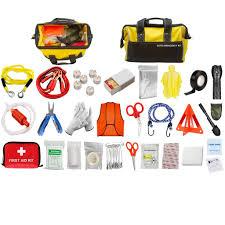
When it comes to road safety, few things are as crucial and often overlooked as a well-stocked car emergency kit. Whether you’re heading out on a long road trip or just commuting to work, having the right supplies in your vehicle can make a huge difference during unexpected events like breakdowns, severe weather, or accidents.
However, not all emergency kits are created equal. Different seasons bring different risks, which means your kit should change with the weather. This guide explores what to pack in your car for summer vs. winter emergencies to help you stay safe, prepared, and confident behind the wheel year-round.
Why Seasonal Car Emergency Kits Matter
Nature doesn’t take a break, and neither do road hazards. In summer, you’re more likely to deal with overheating engines, dehydration, or getting stranded in remote areas. In winter, the threats shift to icy roads, snowdrifts, and dead batteries. A generic emergency kit may cover the basics, but a seasonal approach helps address specific conditions that can turn minor setbacks into major emergencies.
Creating a season-specific kit isn't about doubling the contents of your trunk, it's about optimizing for the unique challenges of each season.
Year-Round Essentials (All-Season Basics)
Before diving into seasonal specifics, let’s cover the foundational items that should live in your car 365 days a year:
- Jumper cables or jump starter – Dead batteries are common in all seasons.
- Spare tire, jack, and lug wrench – A must for any flat tire scenario.
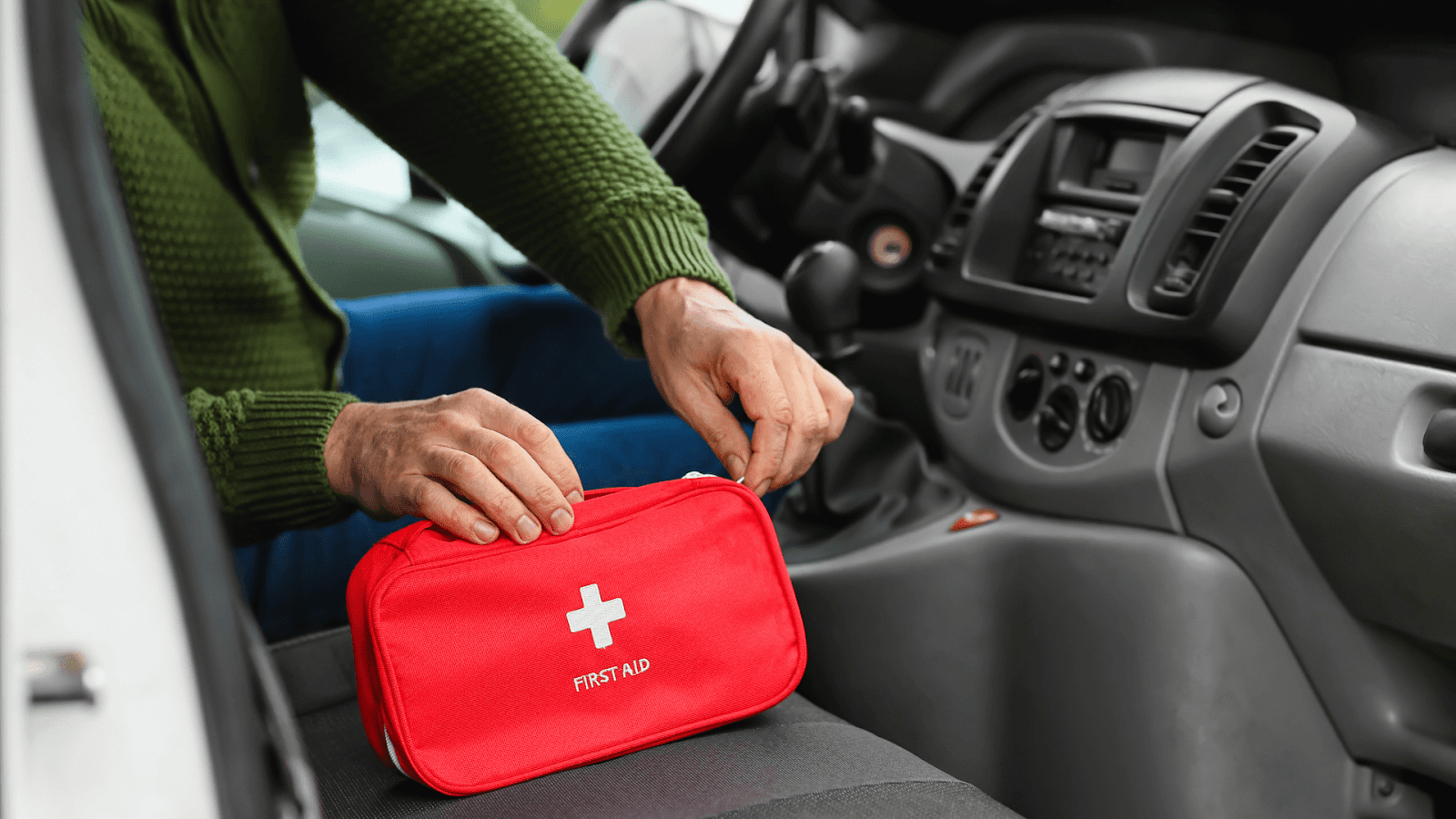
- First aid kit – Include bandages, antiseptic wipes, tweezers, gauze, and pain relievers.
- Multipurpose tool or Swiss Army knife
- Flashlight with extra batteries
- Reflective warning triangles or flares – For visibility if you’re stuck on the roadside.
- Duct tape – Versatile fix-it option for leaks or loose parts.
- Basic toolkit – Screwdrivers, wrenches, and pliers.
- Vehicle escape tool – Includes seatbelt cutter and window breaker.
- Car manual and registration – Always helpful in emergencies.
- Phone charger or power bank
These staples will prepare you for general roadside emergencies. From here, your kit should adapt based on the season.
Summer Car Emergency Kit: Stay Cool, Stay Safe
Summer is prime time for road trips, but it also brings heatwaves, vehicle overheating, and the possibility of getting stranded in areas far from help. Your summer emergency kit should focus on hydration, sun protection, and engine cooling.
Key Items for Your Summer Emergency Kit
Water and Electrolytes
- Pack at least one gallon of water per person.
- Include electrolyte packets or sports drinks to prevent dehydration.
Cooling Towels or Bandanas
- These help lower body temperature in extreme heat.
Sun Protection
- Sunscreen, sunglasses, and a wide-brim hat or baseball cap.
- UV-blocking window shades for passengers and pets.
Non-Perishable Snacks
- Granola bars, trail mix, or dried fruit avoid anything that melts easily.
Extra Coolant and Motor Oil
- Summer heat increases the likelihood of engine overheating. Check your vehicle's coolant levels and keep extras on hand.
Windshield Sunshade
- Keeps your car’s interior cooler and protects dashboard electronics.
Bug Spray and Insect Repellent Wipes
- Especially important for rural or wooded areas.
Portable Fan (Battery or USB-Powered)
- A small fan can provide comfort while waiting for roadside assistance.
Map or Road Atlas
- In case of GPS failure, especially in remote areas.
Emergency Shelter
- A pop-up sun shelter or reflective tarp can offer relief if you're stuck without shade.
Summer Safety Tips
- Don’t leave water bottles in direct sunlight for extended periods.
- Check tire pressure regularly heat causes air expansion.
- Always have your radiator, belts, and hoses inspected before summer trips.
Winter Car Emergency Kit: Survive the Cold
Winter weather can turn a simple commute into a survival situation. Snow, ice, and frigid temperatures introduce additional hazards like hypothermia, frostbite, and being stranded for hours. A well-prepared winter kit focuses on warmth, traction, and power.
Key Items for Your Winter Emergency Kit
Thermal Blankets or Sleeping Bags
- Space blankets are compact and retain heat. A sleeping bag is even better if you have room.
Extra Warm Clothing
- Include gloves, knit hats, scarves, socks, and an extra coat.
Ice Scraper and Snow Brush
- Clear windows, mirrors, and lights for visibility.
Snow Shovel
- A collapsible or compact shovel helps dig your car out of snowbanks.
Tire Chains or Traction Mats
- Essential for navigating icy or snow-packed roads.
Sand, Kitty Litter, or Traction Beads
- These provide grip under tires when stuck.
Hand and Foot Warmers
- Chemical warmers can provide several hours of heat.
De-icing Fluid
- Use on windshields, locks, and door handles.
High-Calorie, Non-Perishable Food
- Think protein bars, nuts, and beef jerky: foods that won't freeze and stay nutritious.
Flashlight (LED preferred) with Cold-Resistant Batteries
- Lithium batteries perform better in freezing temperatures.
Portable Jump Starter
- Cold weather drains batteries faster jump starters with built-in air compressors or USB ports are ideal.
Extra Windshield Washer Fluid (Winter Grade)
- Choose one that resists freezing.
Emergency Candle in a Metal Can
- Provides light and a bit of warmth in the car.
Reflective Vest and Blanket
- Visibility is critical if exiting the car near traffic during snowstorms or poor lighting.
Winter Safety Tips
- Keep your gas tank at least half full to prevent fuel line freeze-up.
- Let someone know your route and ETA during snow travel.
- Avoid using cruise control on slippery roads.
Storage and Maintenance Tips
Packing a great kit is only half the battle, keeping it in good shape is just as important.
- Check kits at the start of each season. Replace expired items and adjust for weather.
- Store items in clear plastic bins or soft duffel bags to prevent clutter.
- Secure heavy objects to avoid injury in the event of a crash.
- Avoid over-packing. Tailor your kit to your typical travel routes and family size.
Bonus: Pet and Kid Considerations
If you regularly travel with children or pets, keep their specific needs in mind:
For Kids:
- Extra diapers, formula, toys, and comfort items.
- Child-sized blankets and snacks they’ll actually eat.
For Pets:
- Collapsible water bowl, leash, food, and waste bags.
- A towel and pet-safe deicer for snowy days.
Final Thoughts
A seasonal car emergency kit isn’t just a box of gear, it's peace of mind. By anticipating the different risks posed by summer and winter driving, you’re not only protecting yourself but also your passengers and other drivers.
Preparation doesn’t eliminate emergencies, but it does turn them from crises into inconveniences. Whether you’re stuck in a blizzard or stranded on a sun-scorched highway, the right gear can keep you safe, calm, and in control until help arrives.
So, take a little time before each season to reassess your car emergency kit. It could be the smartest few minutes you spend all year.