Lone workers face a unique set of risks that many people don’t think about. These are the people who work by themselves, without direct supervision or coworkers nearby.
From security guards to delivery drivers, engineers to cleaners, their jobs may seem routine, but they can quickly become dangerous.
That’s why every lone worker needs one essential safety tool: a lone worker panic alarm.
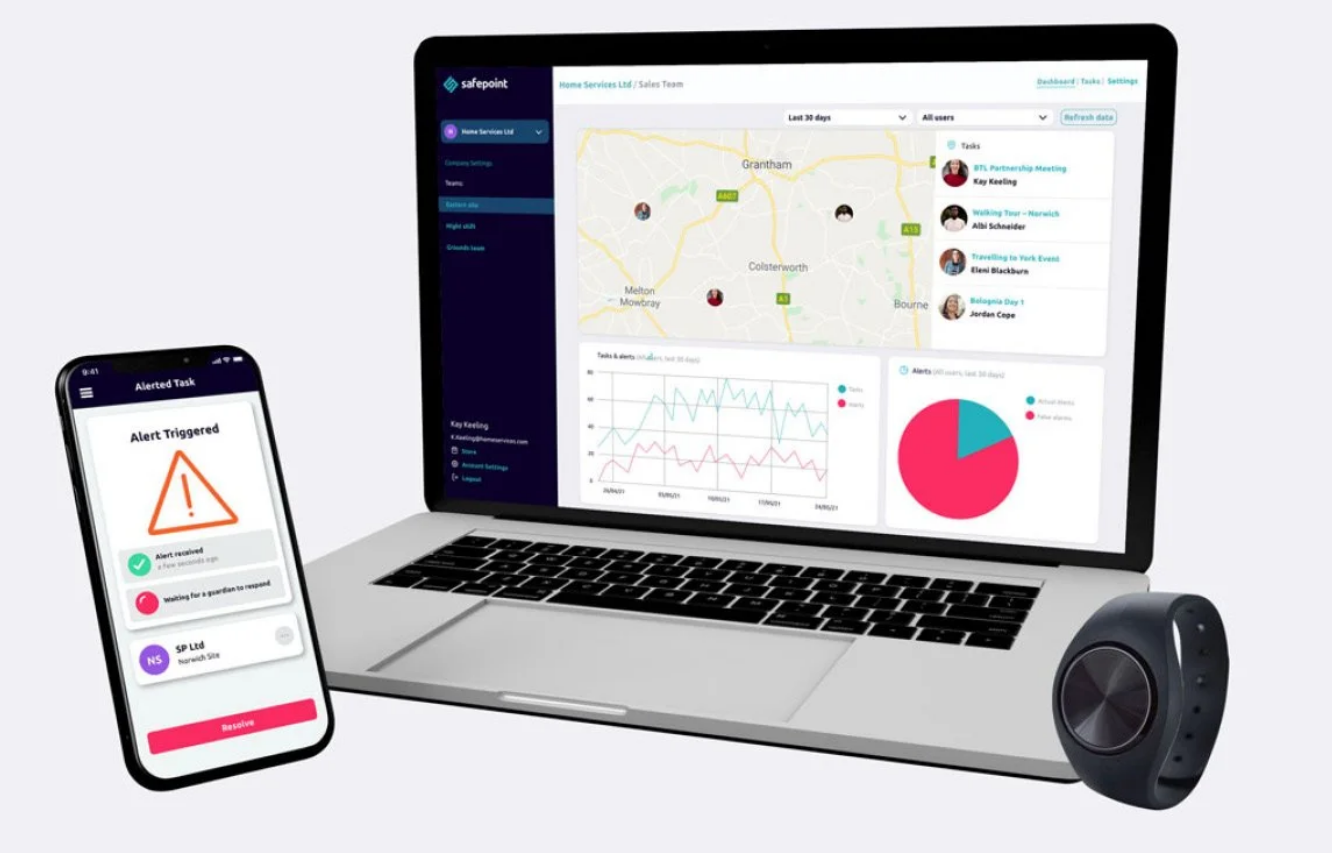
A lone worker panic alarm is a small, easy-to-use device that helps keep workers safe when they’re working alone. It allows them to quickly alert a supervisor, a safety team, or emergency services if something goes wrong, like a fall, a medical emergency, or a threatening situation.
Some panic alarms are wearable, like a badge or pendant. Others are built into smartphones or dedicated safety apps.
When pressed, they send out an alert with the worker’s exact location. Many also include two-way audio, so help can speak directly with the worker and assess the situation.
Working alone might sound peaceful, but it can also be risky. Here are a few dangers that lone workers often face:
● Slips, trips, and falls: A cleaner or maintenance worker could fall in a stairwell or on a wet floor with no one around to help.
● Aggressive behaviour: Security guards or social care workers may deal with people who become angry or violent.
● Health issues: A delivery driver might have a sudden medical problem, like a heart attack or fainting.
● Environmental hazards: Workers in remote or high-risk locations, like engineers or utility workers, might face extreme weather or dangerous equipment.
Without quick help, any of these situations can become life-threatening.
A lone worker panic alarm isn’t just a gadget—it’s a lifeline. Here’s why it’s so important:
When a worker feels unsafe or is injured, every second counts. A panic alarm sends an alert right away, making sure someone knows something is wrong and can respond fast.
Most lone worker panic alarms include GPS tracking. This means responders can quickly find the exact spot where the worker needs help, even if they can’t talk or explain where they are.
In threatening situations, making a phone call could make things worse. Many panic alarms can be triggered silently, letting the worker call for help without drawing attention.
Knowing there’s a safety system in place helps workers feel more secure. It also helps employers meet their legal duty of care by providing proper protection.
If your company has lone workers—whether in construction, social work, real estate, or delivery—it’s your responsibility to protect them. A lone worker panic alarm is an easy, effective way to do that.
In the UK, health and safety laws require employers to assess risks and take steps to reduce them. Using panic alarms as part of a lone worker solution shows that you’re serious about keeping your people safe. And with today’s technology, these tools are more affordable and reliable than ever.
Every lone worker should feel safe on the job. But risks are real—and they often happen when no one else is around. That’s why a lone worker panic alarm is more than just a safety device—it’s a vital part of modern workplace protection.
It could be the difference between a quick rescue and a tragic outcome.
Make safety a priority. Equip your lone workers with the right tools. A panic alarm isn’t a luxury—it’s a necessity.