
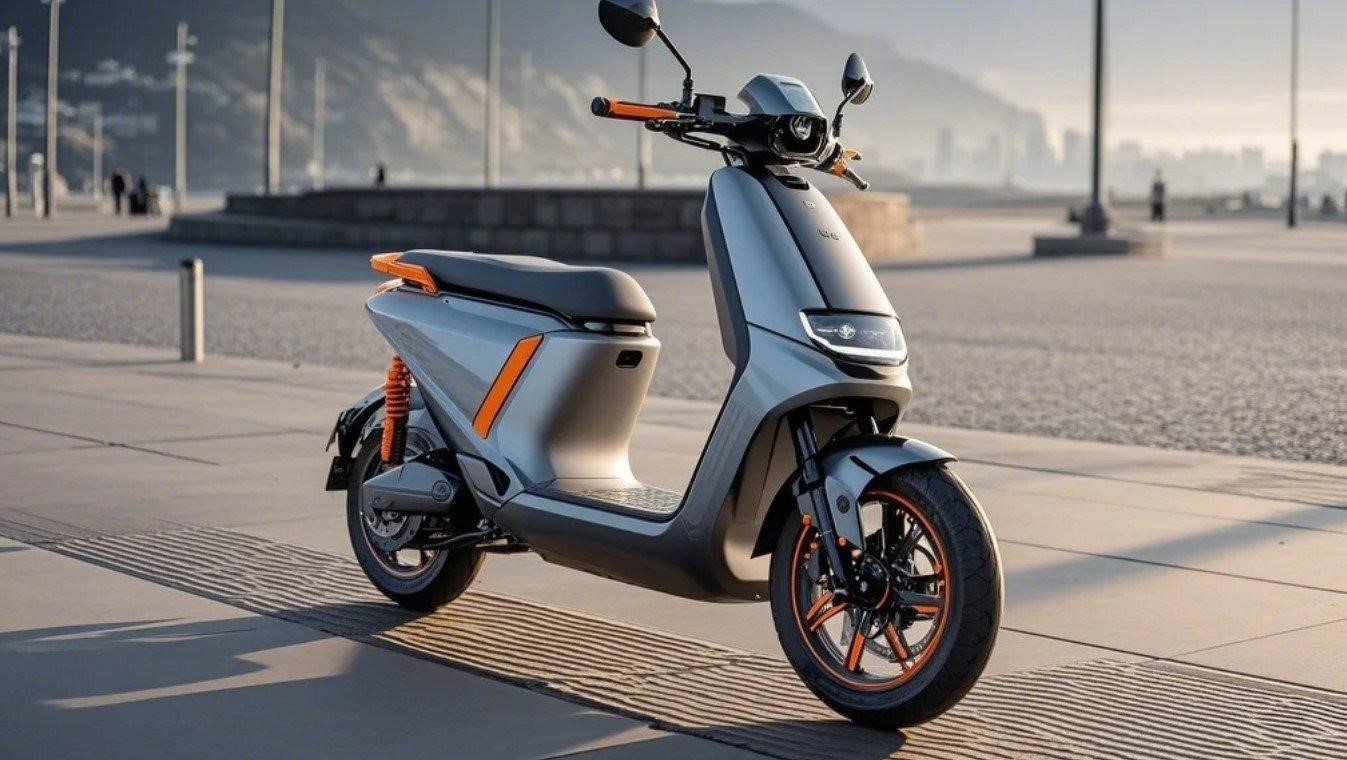
It’s 2025, and electric scooters aren’t just a passing fad. If you’ve walked through any city or checked your local bike path lately, you’ve probably noticed more zippy two-wheelers than ever. Whether you’re tired of waiting for the bus, want to ditch your car for short journeys, or just want to add a little adventure to your daily commute, picking the right electric scooter can be both exciting and surprisingly daunting.
In this guide, we’ll demystify the process of finding the electric scooter that best fits your lifestyle. From daily commuting and weekend exploration to battery life and regulation changes, let’s explore how you can make an informed, confident choice tailored to your needs.
Before you’re dazzled by colorful LED displays or premium app integrations, it helps to step back and think about how you’ll actually use your scooter.
● Distance: How many miles do you need to cover each day? Most scooters in 2025 offer ranges from 10 to over 50 miles per charge.
● Terrain: Flat city streets or hilly suburbs? Different scooters handle slopes, bumps, and off-road adventures to varying degrees.
● Storage: Do you have a safe place to park, or will you need a scooter that folds and fits under your desk?
Scenario:Imagine you live 3 miles from work, and the path includes a steep hill and busy intersections. A lightweight, foldable scooter with strong brakes and decent hill-climbing ability is probably more important than top-end speed.
Features can make or break your scooter experience. Let’s break down what to look for, so you know what matters—and what’s just marketing.
● Check the official range, but also look for real-world user reviews—manufacturers’ numbers can be optimistic.
● A 2025 commuter scooter usually measures range at 180-250 pounds of rider weight on flat terrain.
"Battery life isn’t just about range; a high-quality battery also means a longer overall scooter lifespan."
● Most cities now limit scooter speeds to between 15-20 mph for safety. Some scooters can go faster, but check local laws (see this updated scooter law guide).
● Motor wattage affects acceleration, climbing ability, and overall performance. For hills or heavier riders, a 500W+ motor is recommended.
● Look for solid frame construction (aluminum alloy is common and sturdy).
● Bright headlights/taillights and clear reflectors are crucial for riding in low visibility.
● Braking systems: Disc brakes offer more stopping power than simple electronic brakes.
● For public transit riders or stairs-climbers, weight is key. Most portable scooters weigh 25–35 pounds.
● Latch mechanisms and folding designs have improved in 2025, but some are still easier to use than others.
● Large pneumatic tires (air-filled) smooth out bumps better than solid tires, though they need more maintenance.
● Adjustable handlebars and wider decks can make a world of difference, especially on longer rides or for taller riders.
● If you’ll ride rain or shine, look for a water-resistant rating (like IP54 or higher) to stay safe and avoid electrical issues.
● Where will you store your scooter—in your house, your garage, or outside?
● Consider built-in locks or compatibility with popular bike locks; theft can be a risk in urban areas.
The price range for electric scooters in 2025 spans from under $400 to over $2,000. How much you invest depends on your use case—but higher cost doesn’t always mean better value.
● Budget models ($400–$800): Suitable for short trips, mostly flat terrain, and light use.
● Midrange models ($900–$1,400): Better range, more comfort, and better safety features.
● Premium models ($1,500+): Designed for longer rides, frequent use, and feature-rich experiences.
Tip:Don’t get lured by flashy features—prioritize what you truly need over a long spec sheet.
Laws continue to evolve as scooters become more popular. Safety, insurance, and licensing requirements can differ city by city.
● Many places now require helmets, reflective vests, or insurance for faster scooters.
● Some cities have designated "slow lanes" just for micro-mobility devices.
● Registration is increasingly common for higher-powered scooters.
"Always check your local government or transportation site for the latest scooter regulations before hitting the road."
Don’t just buy based on specs and reviews. If possible, try before you buy.
● Visit local dealers or rental kiosks. Getting a feel for acceleration, braking, and portability is invaluable.
● Read user reviews and owner forums for honest, day-to-day experiences—sometimes the quirks only show up after a few weeks.
● Check warranty and support—you want fast, friendly help if something goes wrong.
Choosing an electric scooter in 2025 is very personal. Whether your priority is comfort, speed, safety, or value, don’t rush the process. Consider your daily life, budget, and what genuinely makes you look forward to each ride—not just what’s trendy on social media or splashed in advertisements.
Try different models, check those regulations, and look to your needs, not just the specs. The right scooter isn’t just about getting from point A to B—it’s about enjoying the ride in between.
“Your perfect scooter is the one that will feel like an extension of your journey—seamless, enjoyable, and reliable.”







