
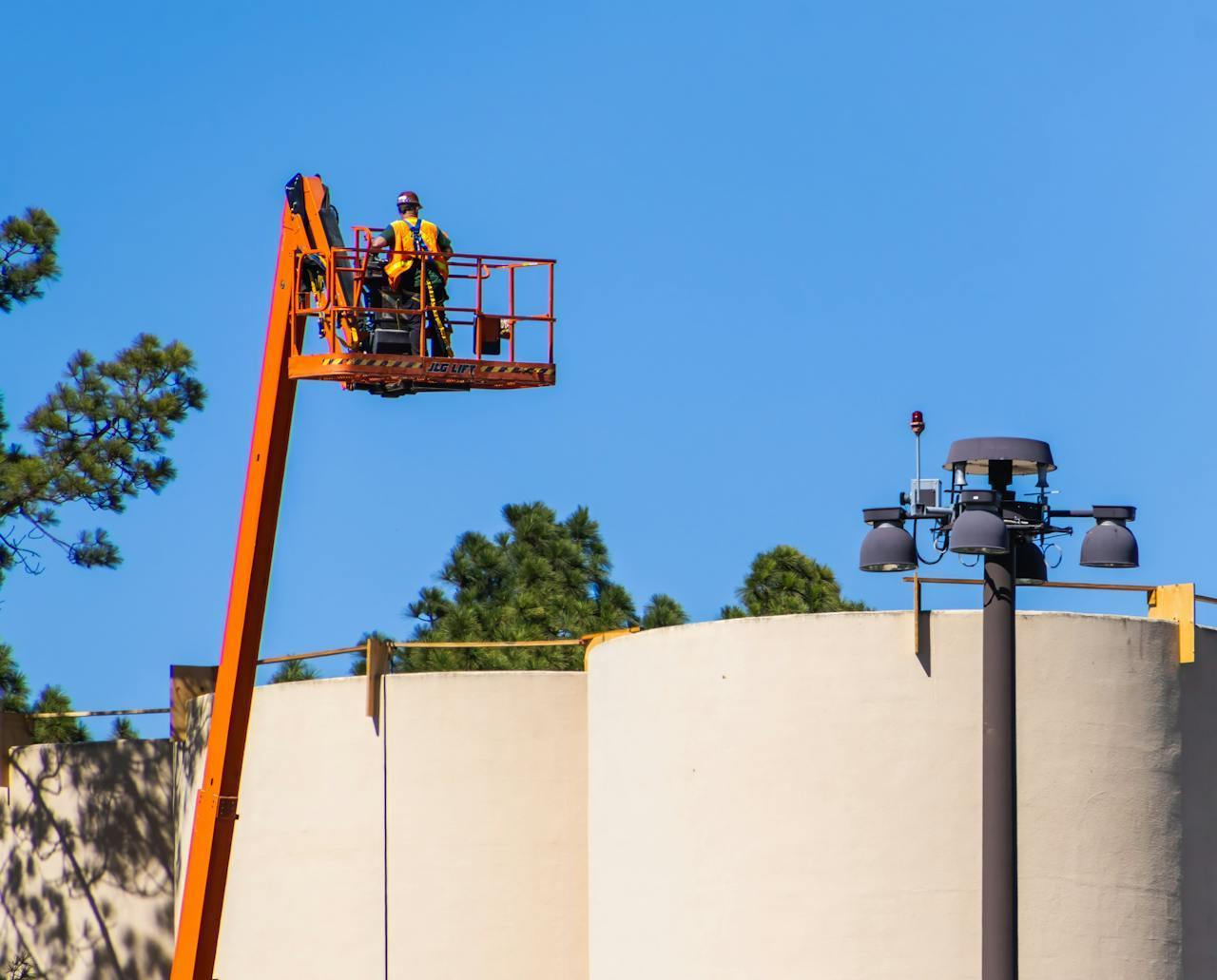
Working at heights is a common yet high-risk activity in industries such as construction, building maintenance, telecommunications, and warehousing. Whether it’s climbing ladders, scaffolding, or working on rooftops, any task performed off the ground carries potential dangers. Unfortunately, falls from height remain one of the leading causes of serious injuries and fatalities in the workplace. This makes comprehensive training not only necessary for compliance but critical for safeguarding lives.
A Working at Heights Course is designed to provide participants with the knowledge and practical skills to work safely and efficiently in elevated environments. The focus is on preventing falls, understanding legal responsibilities, and using appropriate safety equipment. For employers, it’s an investment in creating a safety-first culture and minimizing risk on the job site.
Working at heights training typically combines theoretical learning with hands-on practical exercises. The aim is to create a realistic learning environment where participants can engage with equipment and scenarios they might encounter in the field.
The first step in any safe working procedure is the ability to identify risks. In this module, participants learn how to assess work environments for potential hazards such as unguarded edges, unstable surfaces, or poor weather conditions. Risk assessment tools and checklists are introduced to help ensure a methodical approach before any work begins.
Working at height safely often relies on the correct use of equipment. This includes Personal Protective Equipment (PPE) such as harnesses, lanyards, and helmets, as well as access equipment like ladders, scaffolds, and elevated work platforms (EWPs). The course provides instruction on how to properly inspect, maintain, and use this gear. Trainees also learn how to fit PPE correctly and understand when and where different types of protection are required.
Fall prevention strategies form the core of any working at heights course. Training covers the hierarchy of fall protection, which prioritizes eliminating the need to work at height when possible, using passive systems such as guardrails, and finally relying on personal fall arrest systems when other methods aren’t viable. This segment is particularly hands-on, allowing learners to practice using various fall restraint and arrest systems.
Even with the best precautions, emergencies can occur. The ability to respond quickly and efficiently is essential. Participants are trained in developing and implementing rescue plans, including self-rescue and assisted rescue techniques. This ensures they not only know how to protect themselves but how to help coworkers safely if an incident occurs.
In many countries, including Australia, working at heights is governed by strict occupational health and safety regulations. Training programs are aligned with relevant legislation and national units of competency, such as RIIWHS204E – "Work safely at heights." These standards ensure that learners not only meet minimum safety requirements but are also aware of their legal responsibilities in the workplace.
Employers have a duty of care to ensure workers are properly trained before performing high-risk tasks. Failing to do so can result in heavy fines, project delays, or worse—loss of life. Thus, this training is not only a safeguard for workers but also a means for companies to remain compliant and avoid liability.
The advantages of completing a working at heights course extend beyond basic safety. They include:
This training is essential for any worker required to perform tasks at height, whether occasionally or as part of their daily role. Typical participants include:
Employers are also encouraged to have team leaders or site managers undertake this training to ensure safety procedures are consistently followed and enforced.
Working at heights training is a critical step in preparing workers for one of the most hazardous tasks in many industries. With the right education, practical skills, and safety mindset, risks can be significantly reduced. This course equips workers with the confidence and capability to handle elevated tasks responsibly, while also supporting employers in meeting their legal obligations and promoting a culture of safety on-site.
Whether you’re an individual seeking to improve your job prospects or an employer looking to protect your team, working at heights training is a vital investment in safety, productivity, and peace of mind.







