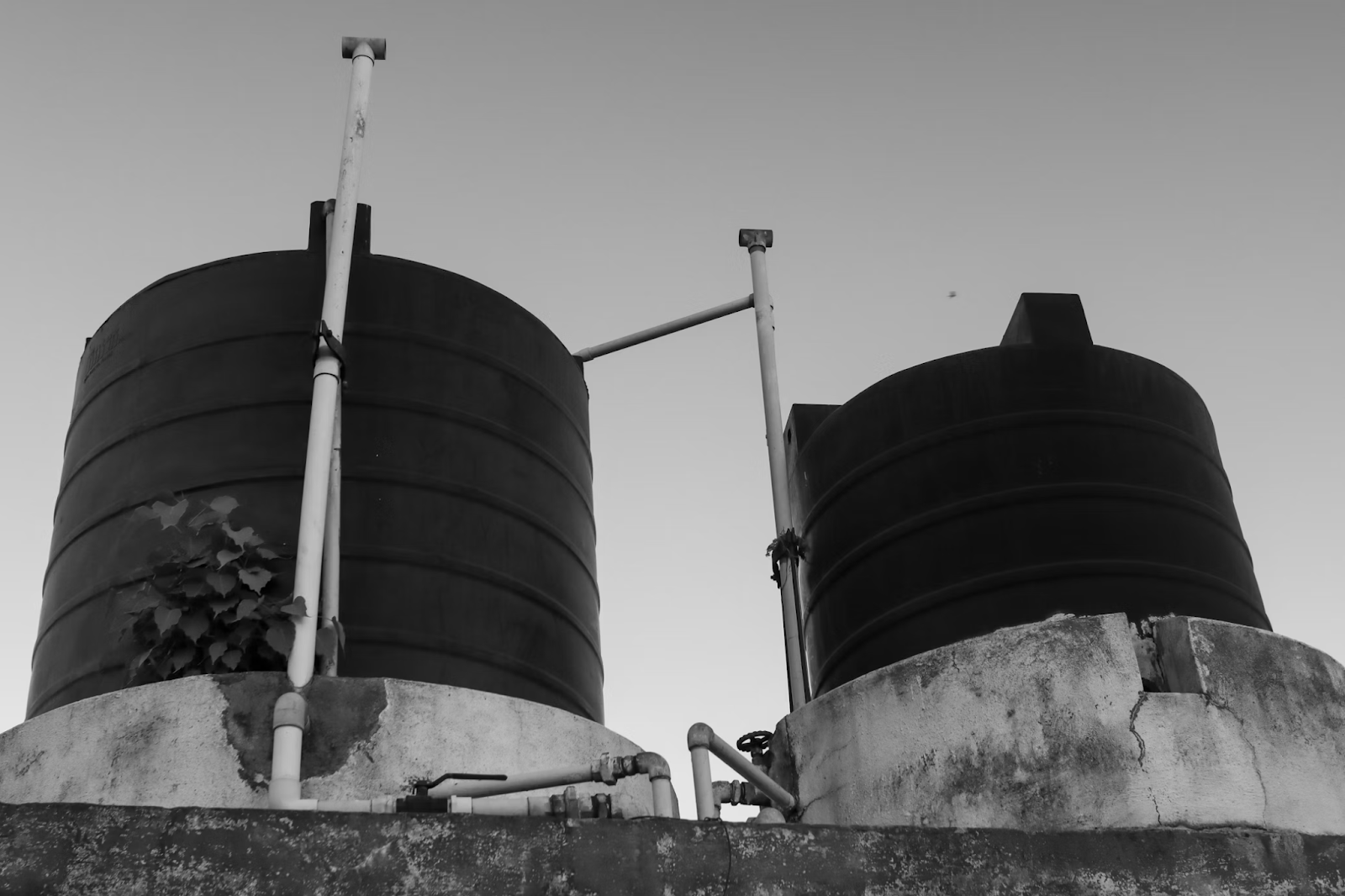
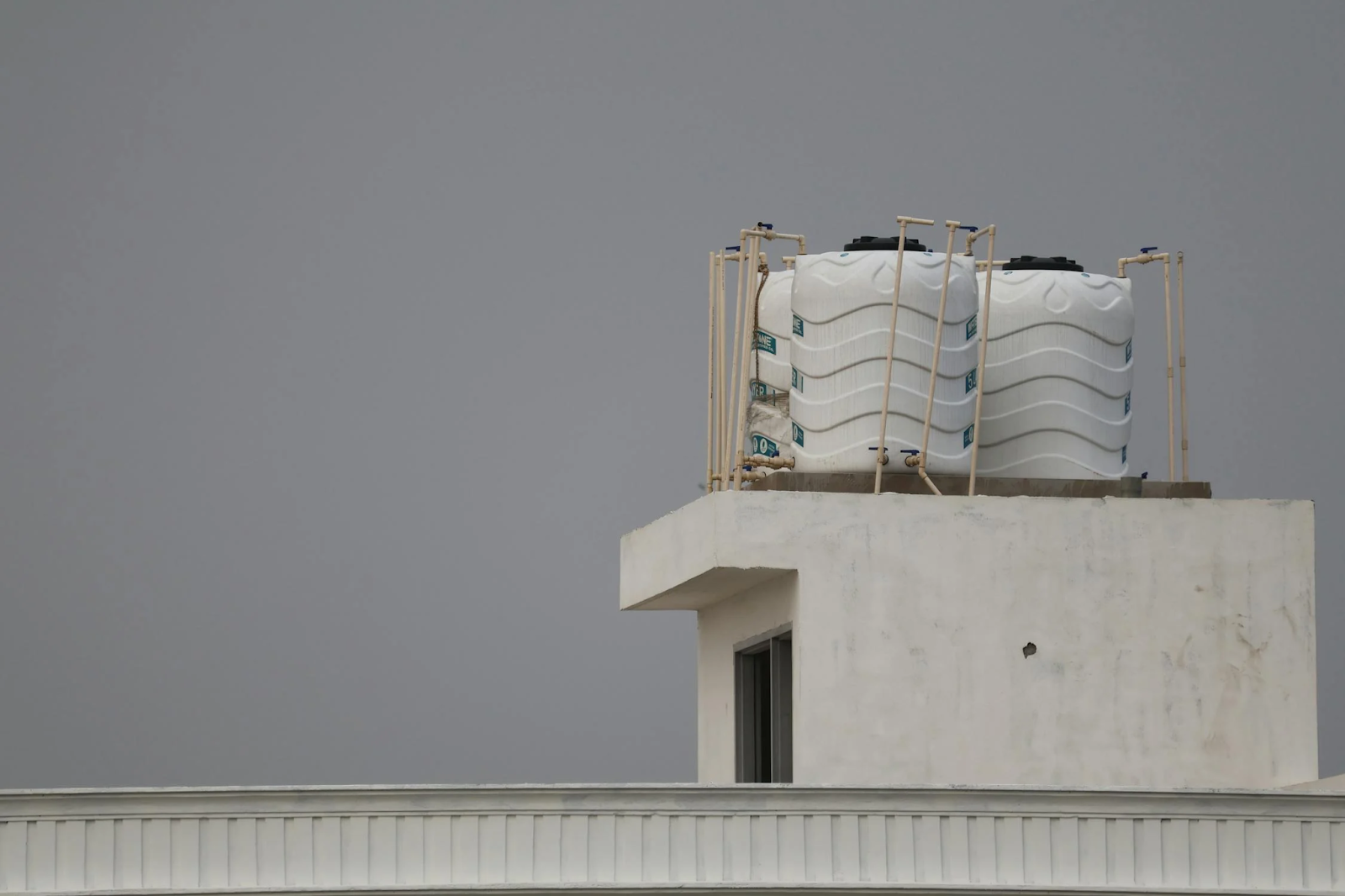
As environmental concerns rise and water scarcity issues become more pronounced, many homeowners are looking for sustainable alternatives to traditional water sources. A rainwater tank can be a significant step toward conserving water, reducing utility bills, and promoting eco-friendly living, says Jambi Property Management team. If you’re contemplating the installation of a rainwater tank, it’s vital to understand the fundamental aspects surrounding this investment. The following points provide essential insights to help you make informed decisions that will ensure optimal outcomes for your home.
Rainwater harvesting consists of the collection and storage of rainwater for non-potable uses, such as irrigation, toilet flushing, and even washing machines. The primary components of this system include gutters, downspouts, filter systems, and storage tanks. When rain falls, it flows through your gutters and is funneled into your chosen storage solution. This practice helps you manage your water supply more effectively and contributes positively to the environment by reducing stormwater runoff.
Rainwater is naturally soft and free of chemicals, making it an ideal choice for watering gardens and landscapes. Homes with rainwater tanks can significantly reduce their demand for treated municipal water. Plus, many state and local governments offer rebates and incentives for homeowners who install rainwater systems, further easing financial concerns.
When it comes to rainwater tanks, size matters. The appropriate tank capacity depends on various factors, including roof size, average annual rainfall, and intended uses for the stored water. Many homeowners looking to collect and store rainwater must carefully assess these factors to ensure the tank size aligns with both their usage goals and local climate conditions. For households that primarily use rainwater for irrigation, a smaller tank may suffice, but for those looking to use rainwater for household needs, a larger tank may be necessary.
As a rule of thumb, a 1,000-liter tank can typically supply enough water for a household’s basic non-potable needs over a 12-month period, assuming average rainfall. It is crucial to consider regional climate patterns because areas with prolonged dry spells may require larger tanks to ensure a reliable water supply. Proper estimates based on your unique situation can help you avoid common pitfalls related to insufficient storage capacity.
Some jurisdictions have specific requirements for rainwater harvesting systems, including restrictions on where and how tanks can be installed, or mandates for water quality testing if the water is to be used as drinking water. Before you collect rainwater, familiarize yourself with local laws and regulations. Failure to comply with these regulations can lead to fines or the requirement to dismantle the system.
Many governments support rainwater harvesting as a sustainable practice and might offer guidelines and resources for homeowners to follow. Connecting with local authorities can provide valuable information and ensure that your installation meets all necessary legal standards.
Before installation, consider where your rainwater tank will be situated. It should be close to your downspouts for efficient collection, but also easily accessible for maintenance. Proper site selection can reduce installation costs and improve system function. The tank should be placed on a stable base to prevent sinking or shifting over time, which could lead to leaks or structural issues.
During installation, opt for a reliable and experienced contractor. Their expertise can significantly affect the effectiveness of the system and ensure full compliance with local regulations and building codes. The installation process entails securing the tank, connecting it to the home's plumbing system, and integrating any necessary filtration systems.
Once installed, regular maintenance will help prolong the lifespan of your rainwater tank and optimize functionality. This includes periodic checks on filters, ensuring gutters and downspouts are clean and free of debris, and inspecting the tank itself for leaks or damage. It is advised to clean the tank at least once a year to eliminate sediment buildup and to test water quality periodically to ensure it meets safety standards if you intend to use the water for potable purposes.
Keeping maintenance records can be beneficial, especially if regulations change or if you decide to sell your home. New homeowners may appreciate knowing the history of the rainwater system, which can help establish its value and condition.
Installing a rainwater tank is not just a personal water-savings venture; it contributes positively to the environment. By capturing rainwater, homeowners can reduce their reliance on municipal water systems, decreasing the strain on water supplies, especially in urban areas. This practice helps mitigate stormwater runoff, which can lead to water pollution and increases the risk of flooding.
Statistics reveal that cities can see a reduction of up to 40% in stormwater runoff when rainwater tanks are utilized effectively. Implementing such systems is a powerful way to enhance environmental sustainability while improving your garden and home landscape. Ultimately, embracing rainwater harvesting signifies a commitment to responsible water use and environmental stewardship.
Making the decision to install a rainwater tank can be one of the best investments for your home and the environment. You can take an important step toward sustainability, water conservation, and potentially lower utility costs. When making this meaningful switch, consider the insights and guidelines outlined above to ensure a successful installation.