Fishing can be an incredibly fulfilling activity, offering both relaxation and excitement in the great outdoors. Whether you are an experienced angler or a beginner looking to make your first cast, having a proper guide can improve your fishing experience.
Understand essential techniques, know the best fishing spots, and be prepared with the right gear for a successful fishing trip. The following guide provides invaluable tips and insights that will help you enjoy fishing while caring for ethical practices and environmental conservation. Look no further!
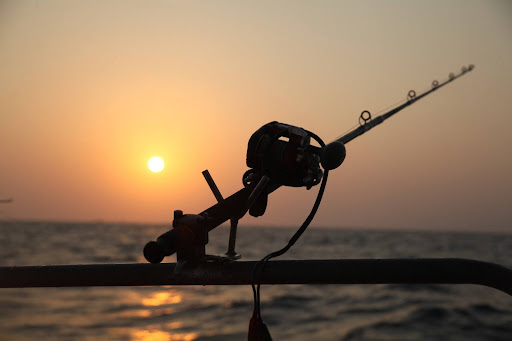 Image source: https://pixabay.com/photos/sea-fishing-reel-fishing-2564892/
Every angler needs to respect fishing regulations. Know the specific rules governing the fish species in your area to save you from facing hefty fines and contributing to environmental degradation. Each state has distinct regulations, including limits on catch sizes, specific seasons for fishing different species, and designated areas where fishing is allowed.
Adhering to the principles of catch and release preserves fish populations. This technique allows fish to recover and repopulate bodies of water so that future generations can enjoy fishing too. Always dispose of waste responsibly, including fishing line and bait packaging, for the well-being of aquatic ecosystems.
Location dictates the success of your fishing trip. Research popular fishing spots in your area and take note of seasonal patterns that affect fish behavior. Lakes, rivers, and coastal areas all offer different fishing experiences. Freshwater fish behave differently from saltwater species, requiring specific strategies and equipment. Local forums and social media groups can provide valuable insights into recent catches and fish migrations. If you’re into fly fishing and are looking for stunning views in Nevada, book a trip on websites like Fly Fishing Pyramid Lake and fish in this stunning location. Once you’ve identified potential locations, evaluate water conditions, depth, and any obstacles. This reconnaissance can be tremendously helpful and reveal seasonal habits of local fish populations.
When you’re selecting gear, think about the type of fishing you want to engage in. Fly fishing requires specialized equipment like fly rods, reels, and lines; spin fishing can use simpler rods and reels. Invest in quality gear that suits your fishing style to improve your experience. Even look into rod length and power: different fishing conditions determine what works best. Longer rods can cast farther, whereas shorter rods allow for more precision in tight spaces. Pair your rod with a suitable reel for an enjoyable day on the water.
Line strength is an essential aspect to contemplate. Lighter lines are less visible underwater but may not be suitable for larger fish. Regular maintenance of your gear, including cleaning and checking for damage, guarantees longevity and better performance on the water. Pack your tackle box with a variety of lures, hooks, and bait to attract diverse species.
Fish species have unique habits, preferred environments, and feeding times. Some may be more active at dawn or dusk, and others prefer deeper waters throughout the day. Researching the prevalent species can guide your bait choices and fishing techniques. Most regions have abundant species that can offer various angling experiences, from bass to trout to pike.
Each species requires specialized techniques. Using live bait for certain types might generate better results than lures. Make an effort to connect with local anglers or fishing guides who can share their knowledge about species-specific best practices. This knowledge can transform you from a casual angler into an expert.
Mastering various fishing techniques dramatically increases your chances of success. The cast-and-retrieve method can lure predatory fish more easily. On the flip side, still fishing is more successful for bottom-dwelling species. Each technique presents learning opportunities that refine your skills and potentially catch larger fish. When fishing with bait, know how to properly present the bait. Fish tend to be wary of noise and quick movements, requiring careful approach tactics.
Take time to practice your techniques before heading to your target location; consider visiting local parks or ponds for practice casts. Attend workshops or classes to develop your skills if you’re trying a new technique for the first time. As with all sports, practice truly makes perfect.
Safety should always be the top priority in fishing. Wear a life jacket if fishing from a boat, and be aware of your surroundings to avoid potential hazards like rocky shores or swift currents. Carry a first aid kit in case of emergency, covering everything from minor cuts to larger injuries.
Take precautions against weather changes. Have adequate sun protection, including sunscreen and hats, and be ready for sudden weather shifts by carrying appropriate clothing and gear. On warmer days, stay hydrated during your fishing expeditions.
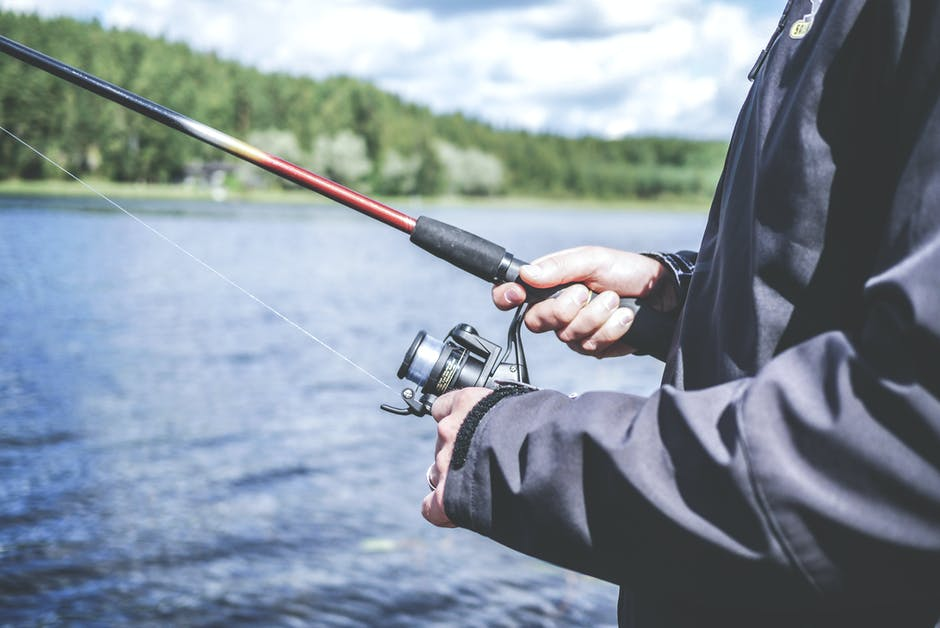
Image source: https://www.pexels.com/photo/person-fishing-294674/
Your fishing experience is shaped by your preparation, knowledge, and the ability to adapt to various situations. Equip yourself with the right information and gear to maximize your time on the water and make every trip worthwhile. With these guidelines in hand, embark on your fishing adventures with confidence.