
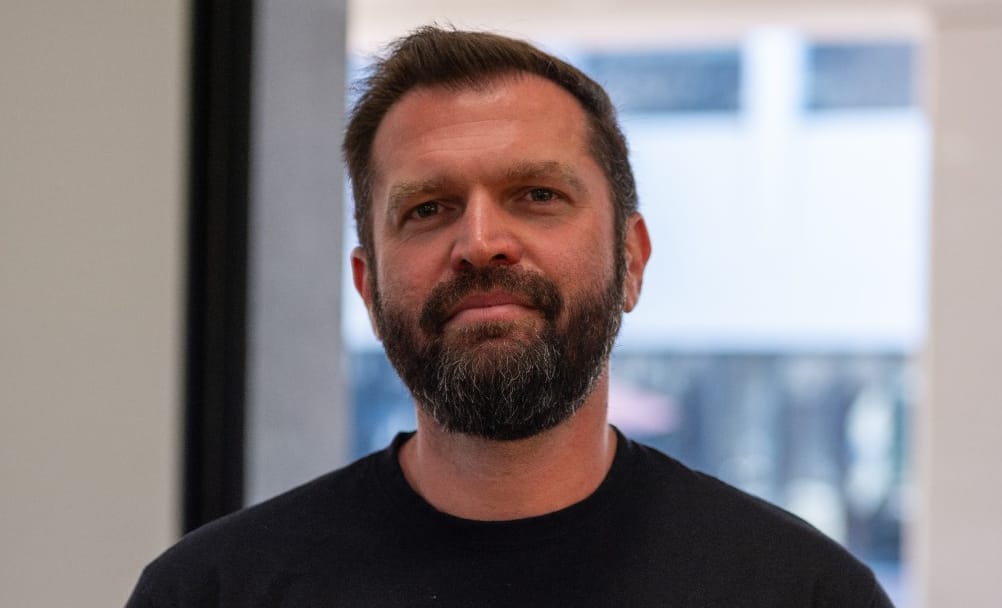
In today's digital era, where information and news are just a click away at all times, the boundary between fact and misinformation gets diluted. Even with the proliferation of fact-checking websites and projects, Otherweb founder Alex Fink opines that conventional fact-checking processes are no longer capable of matching the pace of content on the web. Fink's analysis of the current situation in media, fact-checking, and the changing nature of technology paints a grim picture of how we engage with information today.
The Issue of Information Overload
The main source of concern for Fink is the volume of content that is posted on social media and news websites. The speed at which information is shared, much of which is unverified, is the breeding ground for spreading misinformation. He states that even when fact-checking organizations do their very best to vet claims, the speed of the spread of misinformation or false content makes it difficult to reverse the dissemination in real time.
Old-school fact-checking relies on slowing information to a crawl, conducting proper research, and reporting fact-based results. But in the speed-of-light rapid-fire social media and online news environment of today, this simply no longer works. By the time the fact-check comes out, the claim being discredited can already have been viewed by millions of users and have been widely accepted as true. This is something that's researched in depth and is widely referred to as the "illusion of truth," where people end up believing that something is true because they've heard it parroted repeatedly, even if it's not true.
The Role of Technology and AI
As a technology entrepreneur, Fink also promotes the promise of artificial intelligence (AI) to be used to fight disinformation. But he is also not optimistic about the potential of existing technologies to be able to address the issue. While AI can analyze patterns of information and flag inconsistencies, it is by no means close to being able to offer the kind of nuanced judgment needed to decide whether or not a sophisticated rumor is true. In essence, technology by itself cannot substitute for the critical thinking and context that human judgment can offer.
AI programs can, however, be employed to mark up content that has to be examined more stringently or validated against good sources. However Fink contends that in the absence of such a broader cultural movement toward media literacy and skepticism, such software will only be able to keep disinformation at bay so far.
The Fall of Trust in Mainstream Media
The erosion of credibility of mainstream media is also referred to by Fink as one of the primary obstacles to success in fact-checking. As mainstream media are being attacked by independent bloggers, journalists, and influencers, the public perception of journalistic integrity has shifted. People are becoming more likely to go to alternative sources of information that confirm prior beliefs, thus solidifying the spread of misinformation.
This distrust of traditional sources is also making it more challenging to fight disinformation. Even if disinformation is debunked by fact-checkers, the people who have the false information in their minds will refuse the correction as part of a biased campaign. This is making it a vicious cycle where disinformation not only spreads but also gets more entrenched in people's minds.
The Need for a Novel Paradigm for Fact-Checking
Fink suggests a rethinking of fact-checking. Rather than sitting back and allowing misinformation to be spread and then fact-checking later, he argues that something needs to be done in advance. That would be to fund media literacy programs that instruct people to critically examine sources of information before accepting them at face value to be true. Educating a wiser public that is cognizant of the game of misinformation may be a giant step toward reducing the effect of such claims.
In addition, Fink stresses building open, transparent platforms. Social media platforms, which are usually in the middle of misinformation sharing, must be held responsible for a greater degree of how they curate and present information. Although some platforms have already introduced fact-checking partnerships, Fink believes that this is still not sufficient. To be in a position to fight misinformation, these platforms must collaborate closely with fact-checkers and tech experts to build more powerful, real-time verification systems.
Conclusion: A Collective Effort
At the heart of Fink's argument is the assumption that fact-checking, though essential, is not a silver bullet to combat misinformation. In the fast-evolving media landscape of today, traditional fact-checking is not enough. It will require the joint efforts of media firms, technology firms, fact-checkers, and citizens to institute a system where truth is given a fair chance in the battle against misinformation.
Fink's words signal a shift in the media environment: the point at which we had realized that fact-checking would not suffice. We require a suite of interventions ranging from upgraded technology, increased focus on media literacy, and a renewed reliance on familiar, open sources. It is then, and only then, that we can start to bridge the gap between fact and fiction in today's information environment.







