
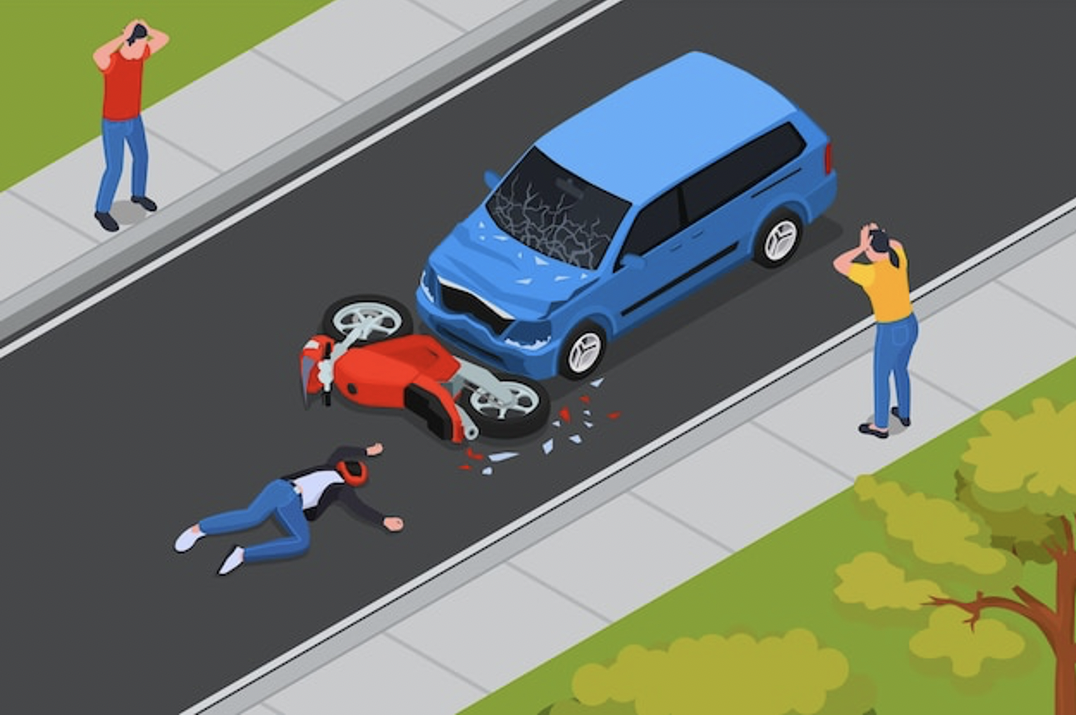
Most people don't think twice about the roads they drive every day—until something goes wrong. Whether you're a daily commuter or a weekend traveler, there are certain roads that carry higher risks than others. The truth is that accidents rarely happen by chance.
They're often the result of a combination of factors: road design, driver behavior, traffic volume, weather, and even the time of day. Some roads seem to have a reputation—a long history of fender benders, near misses, and serious collisions.
If you live near the most dangerous road intersection, you probably know what it's like to grip the wheel a little tighter as you approach. Understanding what makes a road accident-prone isn't just useful information; it could save lives.
Let's take a closer look at the factors that contribute to dangerous roads.
Poor Road Design
This is one of the biggest culprits behind accident-prone areas. Some roads were not built to handle the volume or speed of modern traffic. Others suffer from outdated engineering or flawed planning. A few examples include
When the physical structure of a road sets drivers up for failure, even the most experienced motorist can be at risk.
High Traffic Volume
More cars mean more opportunities for accidents. Urban intersections and major highways are especially vulnerable simply due to the sheer number of vehicles trying to occupy the same space.
High-volume traffic creates pressure to make quick decisions, changing lanes, merging, or speeding through yellow lights to avoid getting stuck. During peak hours, these roads can become gridlocked, increasing the chances of fender benders, rear-end collisions, and even aggressive driving incidents.
Driver Behavior
Even a well-designed road can become dangerous when drivers don't respect the rules. Speeding, distracted driving, tailgating, and impaired driving all significantly increase the likelihood of accidents.
It's not just about reckless drivers, either. Simple things like failing to signal, misjudging a turn, or being unfamiliar with the area can cause problems, especially on roads that already require extra caution.
Poor Visibility and Lighting
Night driving is inherently more dangerous than daytime driving, and poorly lit roads worsen it. Add in rain, fog, or glare from oncoming traffic, and visibility drops dramatically. If a road lacks proper street lighting, reflective paint, or well-placed signs, the risk of accidents multiplies, especially for pedestrians and cyclists, who are harder to spot in low light.
Weather Conditions
Some roads are dangerous only under certain conditions. Bridges and overpasses tend to freeze faster than surface roads, creating invisible ice patches. Roads near bodies of water may have slick surfaces due to mist or algae. And hilly areas are prone to runoff, erosion, or landslides.
Even well-designed roads can become treacherous during storms, with hydroplaning, flooding, or wind-blown debris turning a simple drive into a risky endeavor.
Lack of Maintenance
A cracked road surface or a pothole might seem like a minor inconvenience until it causes a tire blowout, a loss of control, or a swerve into oncoming traffic. Debris, faded lane markings, malfunctioning traffic lights, and broken guardrails all contribute to unsafe driving conditions.
Regular maintenance plays a crucial role in keeping roads safe. When municipalities fall behind, the risk to drivers increases.
Complex or Confusing Intersections
Sometimes, it's not just the road; it's the intersection that's the problem. Complex intersections with multiple lanes, inconsistent signage, and poor lane visibility are common hotspots for collisions. Drivers may be unsure which lane to choose when they have the right-of-way or whether they're in a turning lane.
This confusion is exactly what makes the most dangerous road intersection so treacherous. When multiple factors converge—high traffic volume, poor signage, and unpredictable driver behavior—accidents become almost inevitable unless changes are made.
Final Thoughts
Not all roads are created equal. Some are engineered for speed and safety; others are relics of a time when traffic looked completely unique. But one thing is clear: the more we understand what makes a road dangerous, the more equipped we are to avoid trouble.
Whether you're a city planner, a concerned resident, or just someone trying to get home safely, paying attention to road conditions, traffic patterns, and design flaws can go a long way. And if you do find yourself approaching a road or intersection known for accidents, take it as a sign, literally and figuratively, to slow down, stay alert, and put safety first.
Because at the end of the day, it's not just about getting from point A to point B. It's about getting there alive.







