
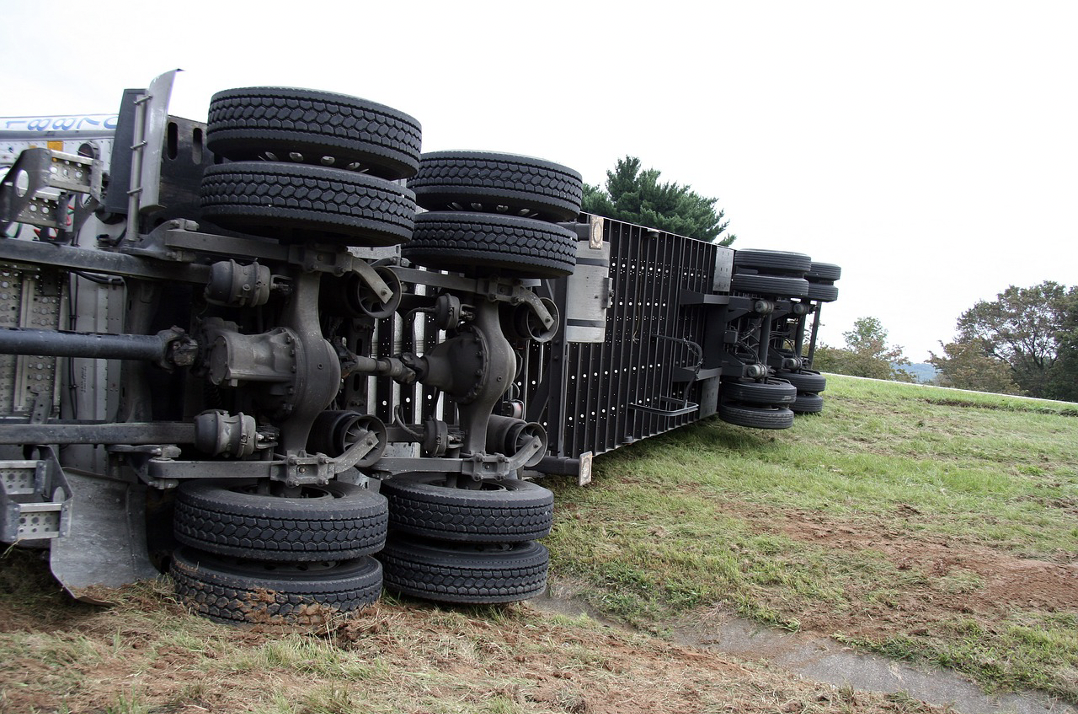
Truck accidents are among the most devastating occurrences on U.S. roadways because of the enormous weight and size of large commercial vehicles. Truck crashes result in devastating injuries, destruction of property, and loss of life.
Although mechanical breakdowns and adverse weather can contribute, driver error is the greatest cause of truck accidents. An understanding of the behaviors of drivers that consistently cause them is essential for prevention as well as accountability.
When there is an accident, victims can require legal assistance to untangle the complicated network of liability among drivers, employers, and insurers. An experienced truck accident lawyer can assist in the collection of essential evidence like electronic logging device (ELD) data, maintenance records, and dashcam recordings to develop a solid case.
Fatigue and HOS Violations
Driver fatigue is among the most common causes of truck accidents. Long-distance drivers are frequently subject to pressure to deliver within close time frames, sometimes at the cost of proper rest. Though the Federal Motor Carrier Safety Administration (FMCSA) mandates Hours-of-Service rules to restrict consecutive driving hours, offenses are not infrequent. Drivers who are fatigued have slower reaction times and compromised decision-making skills, which raise the risk of accidents, particularly on night hauls or long shifts.
Distracted Driving Behind the Wheel
Just like all drivers, distractions can be lethal for truckers. Using cell phones, adjusting GPS, taking a snack, or communicating with dispatch systems can take eyes off the road. Diversion for even a couple of seconds can lead to serious crashes, especially considering the longer stopping distance of the truck and its restricted maneuverability. In business environments, the interaction of digital gadgets and the urge to stay connected can compound this problem further.
Speeding and Reckless Driving
Excessive speed is yet another frequent cause of truck crashes. Either speeding to meet a time constraint or judging road conditions wrong, overspeeding leaves a truck unmanageable and incapable of responding to danger. Further, there are drivers who resort to reckless tactics such as tailgating or sudden change of lanes without turning on indicators. Such movements have a strong chance of collision, particularly in densely populated city environments or confined country roads where space is short.
Inadequate Vehicle Maintenance
Large trucks need to be inspected and serviced regularly for their safety. Brake systems, tires, lamps, and steering components are prone to wear and must be serviced routinely. All too often, however, trucking firms or individual operators shortcut this process in the interest of cost savings or keeping equipment moving. When those major systems collapse on the highway, it's almost a given that someone is going to have an accident. Regular maintenance isn't simply best practice; it's mandatory by federal statute.
Insufficient Driver Training
Driving a commercial vehicle requires a distinct skill set, such as load distribution, defensive maneuvers, and a familiarity with road signs. New or poorly trained drivers lack the experience to make decisive decisions in conditions of stress. They may be unaware of specific limitations of the vehicle, including blind spots and large turning diameters. Beginners are more susceptible to committing blunders that lead to severe mishaps.
Improper Loading of Cargo
Improperly loaded cargo will cause a truck to become unbalanced, which is more difficult to handle. Weighting the cargo unevenly may cause rollover, particularly when turning sharply or driving on a steep slope. Failure to properly secure cargo can also spill freight onto the road in the event of an accident, posing dangers to other travelers. Proper loading and securing the freight in accordance with safety guidelines is the responsibility of drivers, loaders, and trucking companies. A lapse in this can lead to them paying compensation in the event of an accident.







