Selling a home is often about more than listing it at the right price, notes Fall River Management. The way a property looks and feels can carry as much weight as its size or location. Buyers tend to make quick judgments, and their first impressions usually form before they’ve stepped past the threshold. That’s where smart renovations come into play. These updates don’t have to be major or expensive, but they do need to speak to what modern buyers are seeking: style, function, and comfort.
Strategic improvements can turn a dated space into a sought-after one. When done right, these changes signal to potential buyers that the home has been well cared for, reducing hesitation and increasing perceived value. It’s not about gutting and rebuilding; it’s about identifying which updates will yield the highest return. From minor upgrades to targeted remodeling, the right changes can be the tipping point that closes the sale faster—and possibly for a better price.
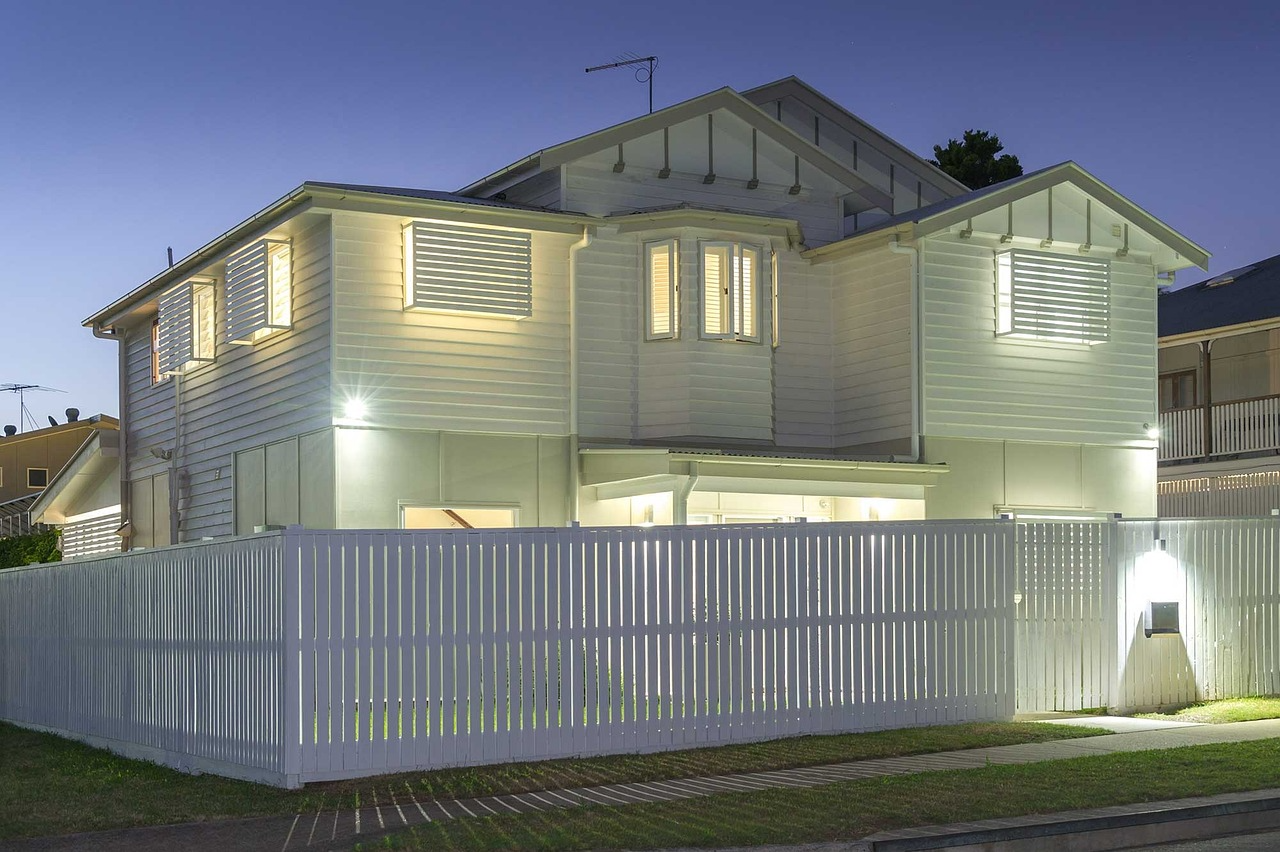
Before a buyer even steps inside, their eyes scan the exterior. Peeling paint, dying shrubs, or an uneven walkway can raise concerns. Meanwhile, a fresh coat of paint, clean siding, and a tidy lawn build anticipation in a positive way. It’s not just about aesthetics; it’s about psychology. Buyers want to believe they’re making a smart investment. An attractive exterior suggests the same attention has been given to the rest of the property.
Something as simple as a new front door or modern outdoor lighting can signal a more updated interior. These details quietly influence how a home is perceived. They can even affect how much time potential buyers spend touring the rest of the property. The more time someone spends exploring, the more likely they are to start picturing themselves living there.
The kitchen is often called the heart of the home for a reason—it’s where people gather, entertain, and prepare meals. A drab or outdated kitchen can be a sticking point that leaves buyers questioning whether they’ll need to do work before they move in. On the other hand, even modest upgrades can completely change the feel of the space.
Swapping out old cabinet hardware for modern handles, replacing dated light fixtures, and updating backsplashes are all small moves that can make a big impact. A fresh set of faucets or a newly installed butcher block island can subtly suggest care and cleanliness. These aren’t grand gestures, but they work hard behind the scenes to influence perception.
Bathrooms are spaces where functionality and comfort intersect. Cracked tiles, discolored grout, or aging fixtures often send the wrong message. By contrast, a bathroom with sleek finishes, clean lines, and soft lighting gives off a sense of calm and reliability. Updating a bathroom doesn’t require a full remodel. New mirrors, faucets, towel bars, and even updated shower curtains or glass panels can completely shift the mood.
It’s also where people look for signs of water damage or neglect, so improvements in these areas also carry a practical purpose. Any sign that maintenance has been put off can lower buyer trust. But a fresh, modern bathroom helps tell the story of a home that has been taken care of over time.
Open floor plans, clean lines, and neutral colors give buyers a blank canvas. When someone walks into a living room that feels cramped, dark, or overly personalized, it can be difficult for them to see past those distractions. Removing bulky furniture, applying a neutral color palette, and optimizing natural light can dramatically increase the appeal of any common space.
Buyers aren’t just looking at square footage—they’re imagining how they might live there. If a room is overcrowded or poorly staged, it can make even a large space feel limiting. Making a room feel brighter and more open often involves no more than repositioning furniture, upgrading lighting, or refreshing window treatments.
Floors carry more influence than they’re often given credit for. Worn carpeting, scratched hardwood, or mismatched materials from room to room can turn buyers away. While replacing all flooring may seem like a large investment, selective upgrades often do the trick. Installing new tile in a foyer, refinishing hardwood in high-traffic areas, or replacing carpet in the bedroom can have an outsized impact.
Consistency throughout the home matters, too. It doesn’t mean every room needs identical flooring, but transitions should feel smooth and intentional. Visual flow is one of those subtle factors that helps a home feel put together without buyers realizing exactly why.
Sometimes, it’s the smallest updates that say the most. Light switch plates, doorknobs, vent covers—these are the kinds of details buyers don’t consciously seek out, but they do notice when they feel off. Updating these elements is a low-cost, high-return strategy that signals thoroughness.
Fixtures, especially in kitchens and bathrooms, play an outsized role in the feel of the space. That’s why it can be helpful to find taps here or at any other reputable place that aligns with the home's overall look. It’s not just about matching metal finishes or trends; it’s about cohesiveness. When the eye flows naturally from one room to another, there’s a sense of ease that lingers.
Staging goes beyond decoration. It’s about shaping how buyers experience the space. A staged room can highlight unique architectural features, draw attention to natural light, or suggest multiple uses for the same area. It can even help compensate for flaws by drawing the eye elsewhere. Homes that are staged often sell faster and at higher prices than their non-staged counterparts, especially in competitive markets.
Removing personal items, decluttering, and using scale-appropriate furniture all support the goal of making the space feel lived-in but not lived-through. It helps buyers envision not who lives there now, but who could live there next—namely, them.
Renovating with purpose can bridge the gap between a home that lingers on the market and one that sells quickly and confidently. When every space speaks to care, intention, and timeless design, buyers respond with trust. Even minor improvements, when thoughtfully applied, can shift the entire feel of a property. Selling a home isn’t only about bricks and square footage—it’s about the story it tells and how well that story aligns with what buyers are hoping to find.