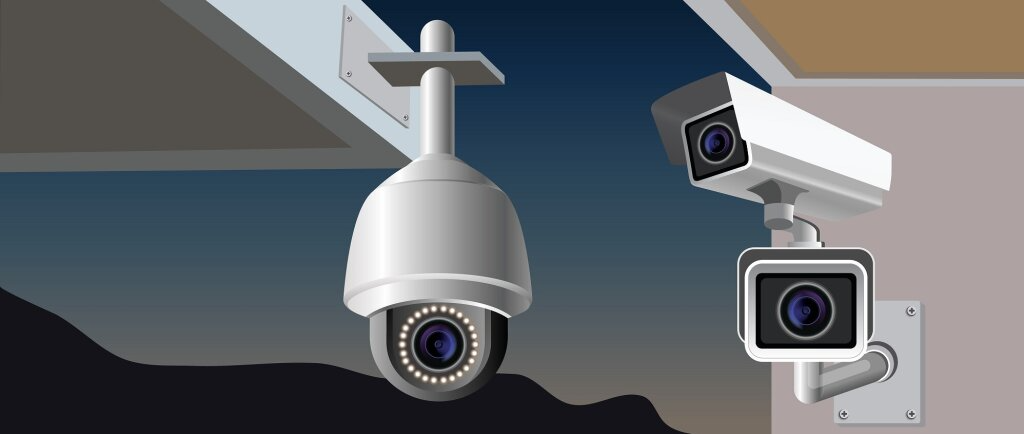
In today’s rapidly evolving world of digital security, protecting real estate properties from various threats is a top priority for property managers, real estate investors, and owners. Whether you are managing a residential building, a commercial complex, or a mixed-use property, ensuring that your security systems are robust and compliant with national standards is critical. One of the key elements of a secure real estate security system is the NDAA-compliant camera.
The National Defense Authorization Act (NDAA) is a crucial piece of legislation that mandates federal government agencies avoid using security equipment from certain companies that pose national security risks. This includes certain manufacturers whose products may be vulnerable to hacking or espionage. For real estate security systems, this means using NDAA-compliant cameras is not only important for maintaining high-security standards but also for ensuring the safety of your property, tenants, and business interests.
In this article, we will explore why NDAA-compliant cameras are essential for real estate security, from residential properties to commercial complexes, and how these cameras meet critical national security and cybersecurity standards.
The primary reason for using NDAA-compliant cameras is the focus on national security. Certain security camera manufacturers, especially those based in countries with ties to foreign espionage activities, have been blacklisted under the NDAA for potentially posing security risks. These cameras could contain vulnerabilities that make them more susceptible to cyberattacks, which could compromise sensitive data or allow unauthorized access to surveillance systems.
By choosing NDAA-compliant cameras, property owners and managers ensure that their security systems are free from these vulnerabilities, minimizing the risk of cyber threats. This is particularly important for protecting personal information, business data, and sensitive operations, especially in environments like office buildings or tenant-heavy apartment complexes.
For real estate properties with critical data, such as commercial office buildings, hospitals, or even high-end residential complexes, ensuring cybersecurity is a key part of protecting the integrity of the building’s operations and tenant trust.
In addition to national security concerns, many businesses and government agencies require compliance with specific security regulations. By using NDAA-compliant cameras, property owners are not only adhering to federal regulations but also ensuring they meet specific local or state standards for surveillance systems. This is essential for avoiding fines, legal consequences, or loss of contracts with government entities or high-profile tenants.
For real estate professionals who handle public or sensitive spaces, it’s crucial to integrate security measures that meet all relevant compliance requirements. By using cameras that are compliant with the NDAA, you guarantee that your systems align with the legal standards set forth by the government.
Compliance is especially important for public housing projects, government buildings, and properties that house high-security tenants, as these buildings need to meet stringent requirements for surveillance and data protection.
Security is one of the foremost concerns for tenants, whether they are living in a residential apartment or working in an office building. Tenants want assurance that their personal and professional spaces are protected from criminal activities and cyberattacks. The installation of NDAA-compliant cameras demonstrates a proactive approach to safeguarding tenants’ safety and securing the property from external threats.
Using NDAA-compliant cameras reassures tenants that the building management is taking all necessary steps to protect their privacy and security. When tenants are confident in the security infrastructure of a property, they are more likely to stay longer and recommend the building to others, reducing turnover rates and improving overall tenant satisfaction.
For commercial properties, having a NDAA-compliant camera system can be a selling point to potential clients, showing that you’re committed to providing a secure environment for both businesses and their employees.
As technology evolves, security threats become more sophisticated. NDAA-compliant cameras ensure that your security system is built on a foundation that meets the highest industry standards. By investing in these cameras, you are future-proofing your property’s surveillance system against both current and emerging threats.
When choosing a security system for real estate properties, it’s essential to consider long-term sustainability and adaptability. By selecting NDAA-compliant cameras, you not only protect your property today but also ensure that your system can be easily upgraded and expanded in the future without running the risk of compromising your security standards.
NDAA-compliant cameras can be integrated with other modern security features such as video analytics, motion detection, automated alerts, and cloud storage. These advanced technologies provide real-time monitoring and actionable insights, making it easier for property managers to respond to security threats quickly.
As NDAA-compliant cameras become more advanced, they integrate well with existing building management systems, making it easier for property managers to control all aspects of security from a single interface.
1. What does NDAA-compliant mean for security cameras?
NDAA-compliant refers to security cameras that meet the standards outlined in the National Defense Authorization Act (NDAA), which prohibits the use of equipment from certain manufacturers deemed to pose a national security risk. NDAA-compliant cameras are free from vulnerabilities that could compromise your property’s security or potentially allow unauthorized access or cyberattacks.
2. Why are NDAA-compliant cameras important for real estate properties?
NDAA-compliant cameras are crucial for real estate properties because they ensure that security systems are free from risks associated with compromised or vulnerable surveillance equipment. These cameras help protect tenants' personal information, business data, and the property itself, mitigating cybersecurity and espionage risks while ensuring compliance with government regulations.
3. Are NDAA-compliant cameras required by law for real estate properties?
While NDAA compliance is a mandatory requirement for federal agencies and certain government contracts, using NDAA-compliant cameras in private real estate properties is not a legal requirement. However, property owners and managers are increasingly choosing these systems to enhance security and comply with national and local regulations, providing peace of mind to tenants and businesses concerned about security vulnerabilities.
4. What types of real estate properties benefit the most from NDAA-compliant cameras?
All types of real estate properties can benefit from NDAA-compliant cameras, but they are especially valuable for:
NDAA-compliant cameras are essential for real estate properties, ensuring compliance with national security and cybersecurity standards. Whether you are managing a residential complex or a commercial office building, these cameras offer enhanced security, build trust with tenants, and protect both physical and digital assets.
Incorporating NDAA-compliant cameras into your real estate security system is a smart investment for ensuring your property meets current security requirements while future-proofing against evolving threats. As real estate professionals, it is crucial to stay ahead of cybersecurity risks, and choosing the right security cameras is one of the most important steps in that direction. By prioritizing NDAA-compliant cameras, you are taking an active role in safeguarding the interests of your property, tenants, and business.