
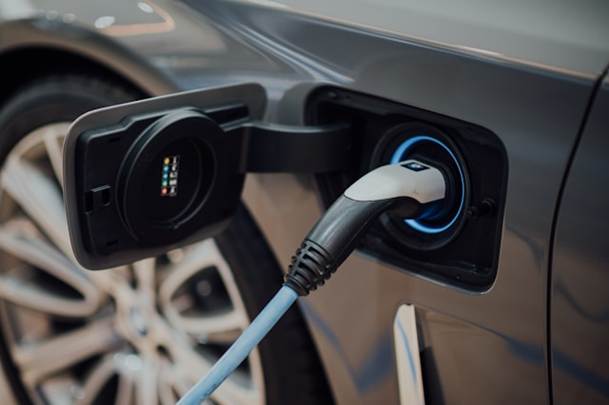
The automotive industry is experiencing a major shift, with one of the most significant changes being the rapid rise of electric vehicles (EVs). As governments worldwide enforce stricter emissions regulations and consumers grow more environmentally conscious, the demand for EVs continues to soar. This shift is reshaping the entire automotive supply chain, presenting both challenges and opportunities for traditional automotive parts manufacturers. As part of this transformation, the industry is increasingly turning to servo motors. In this article, we will explore how the shift to electric vehicles impacts traditional automotive parts manufacturers, how they can adapt to these changes, and what the future of the industry may look like.
Electric vehicles differ from traditional internal combustion engine (ICE) vehicles in a fundamental way: they are powered by electric motors and batteries rather than gasoline or diesel engines. This shift represents a move away from fossil fuels and toward cleaner, more sustainable energy sources. The global push for EV adoption is driven by a combination of factors, including government incentives, technological advancements, and growing consumer demand for environmentally friendly transportation options.
In the past decade, major automotive manufacturers like General Motors, Ford, Volkswagen, and Tesla have all made substantial investments in EV production. Some have even announced timelines to phase out ICE vehicles entirely, further solidifying the industry's transition to electric power. For example, the European Union's "Green Deal" aims to make Europe the first climate-neutral continent by 2050, which includes a substantial increase in EV adoption. Similarly, the U.S. has seen federal tax credits for electric vehicle purchases and has introduced new policies to reduce emissions, all of which have pushed manufacturers to shift toward electric powertrains.
While this shift offers clear environmental benefits, it also represents a major disruption for traditional automotive parts manufacturers that have built their businesses around the production of parts for ICE vehicles. Let’s explore the key implications for these manufacturers.
One of the most immediate impacts on traditional automotive parts manufacturers is the decline in demand for components specific to internal combustion engines. These parts, including pistons, camshafts, fuel injectors, exhaust systems, and radiators, make up a significant portion of the automotive parts industry. As more automakers shift toward electric powertrains, the need for many of these components will naturally decrease.
Electric vehicles, in contrast, have fewer moving parts than their gasoline-powered counterparts. An electric motor and battery pack replace the internal combustion engine, significantly reducing the number of parts required for the powertrain. For example, while an ICE vehicle might require hundreds of parts for its engine and fuel system, an EV’s powertrain can be much simpler, consisting primarily of an electric motor, battery pack, and a few additional components. This change will result in a shift away from engine-related parts manufacturing and towards new areas of expertise, such as battery systems, electric motors, and power electronics.
While the decline in demand for ICE-specific parts presents a challenge, it also creates opportunities for parts manufacturers to diversify and adapt. One of the most significant opportunities lies in the growing demand for battery systems. EVs rely on large, high-performance lithium-ion battery packs, which are complex systems requiring a wide range of specialized components. These include battery cells, battery management systems (BMS), thermal management systems, and connectors.
Automotive parts manufacturers can pivot to producing these components, taking advantage of their existing expertise in precision manufacturing and their established relationships with automakers. Additionally, the growing demand for charging infrastructure - such as fast-charging stations and power electronics - offers another opportunity for manufacturers to tap into the expanding EV ecosystem.
Furthermore, traditional parts manufacturers can look to the electric powertrain itself. Electric motors, power inverters, and transmission components for EVs still require precision engineering and manufacturing, albeit with different technical requirements than traditional engines. Companies that have experience in producing high-performance parts for engines and transmissions can leverage that expertise in the EV sector. For example, manufacturers can shift focus to making parts for motor drives, cooling systems, and electric vehicle control units (VCUs).
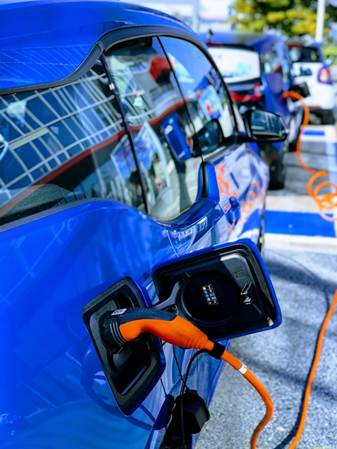
The shift to electric vehicles will also change the supply chain dynamics for parts manufacturers. The materials required for EV components, such as lithium, cobalt, and nickel for batteries, are different from the materials traditionally used in ICE vehicle parts. As a result, traditional parts manufacturers may need to forge new relationships with suppliers in the battery industry or develop new sourcing strategies to ensure they can access the materials needed to produce EV parts.
Additionally, electric vehicle manufacturers tend to have different production and assembly processes, which could require traditional parts suppliers to adapt their manufacturing techniques. As EV production ramps up, the supply chain will need to be agile enough to meet new demands for high-quality components, as well as manage issues such as battery supply shortages, material price fluctuations, and new regulatory standards.
For traditional parts manufacturers, embracing the electric vehicle revolution will require substantial investment in research and development (R&D). Electric vehicle technology is rapidly advancing, with improvements in battery efficiency, charging speed, and vehicle range happening at a fast pace. To remain competitive, automotive parts manufacturers must invest in R&D to keep up with these advancements.
As battery technology continues to evolve, manufacturers will need to develop new methods for producing lighter, more efficient, and more durable batteries. Similarly, advancements in electric motor design and power electronics will require ongoing innovation in materials, manufacturing processes, and testing procedures. Those manufacturers who invest early in EV-related R&D will be better positioned to capture new business and maintain their market share as the industry evolves.
As traditional parts manufacturers shift their focus from ICE components to EV parts, they will also need to adapt their workforce. This includes training employees in new manufacturing processes, understanding the complexities of electric powertrains, and becoming familiar with the technologies associated with EV batteries and charging systems.
A skilled workforce will be critical to producing high-quality EV components, and manufacturers must ensure their employees are equipped with the necessary skills to meet the evolving demands of the industry. Collaborations with vocational schools, universities, and training programs focused on electric vehicle technology will be essential in developing a talent pool capable of supporting the shift to electric vehicles.
The shift to electric vehicles represents a significant opportunity for traditional automotive parts manufacturers to evolve and adapt to the changing demands of the automotive industry. By diversifying their product offerings, investing in new technologies, and embracing new supplier relationships, manufacturers can position themselves for long-term success in the growing EV market.
However, this transition will not happen overnight. Manufacturers must be strategic in their approach, balancing the decline of ICE-related components with the development of EV components. The future of the automotive industry is electric, and those who can innovate and stay ahead of the curve will thrive in the next generation of transportation.
As the automotive landscape continues to evolve, traditional parts manufacturers have the chance to become integral players in the development of electric vehicles, shaping the future of mobility in ways that were previously unimaginable.







