Food can make or break an event. Whether you’re organizing a corporate luncheon, wedding reception, or networking mixer, the menu you choose plays a critical role in setting the tone and keeping things running smoothly. While guests may remember the décor or the speeches, they’re most likely to rave—or complain—about what they were served and how it was presented.
The goal of any successful event is to keep people engaged, satisfied, and on schedule. Well-planned menus do more than feed a crowd—they support the overall flow of the event, prevent unnecessary delays, and cater to a range of dietary needs. With the right strategy and a little guidance, you can design a food experience that complements your timeline and elevates the guest experience.
Here’s what every event planner, host, or organizer should know about making smart menu choices.
Start by thinking about the format of your event. Is it formal or casual? Is the meal seated or buffet-style? Are you trying to keep things moving quickly or encourage guests to linger and socialize? The answers to these questions will help determine what kind of menu will work best.
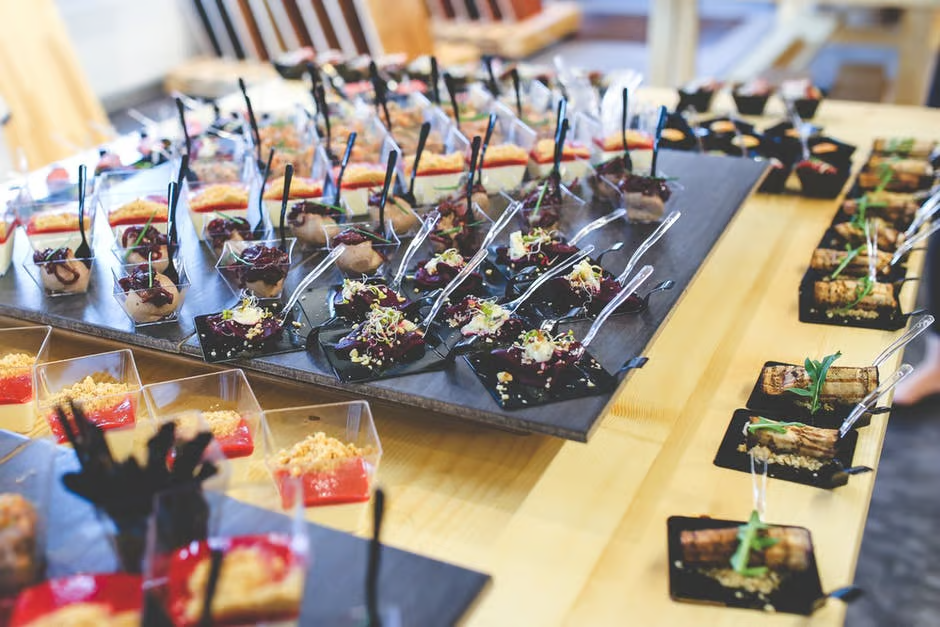
For example, finger foods and small bites are perfect for standing receptions or events with minimal seating. They allow guests to mingle without juggling plates and cutlery, and they reduce the need for coordinated serving times. On the other hand, plated meals are a better fit for formal gatherings, where structure and timing are essential.
Also, think about how long food service will take. A multi-course dinner can eat into valuable speech or entertainment time if not managed carefully. If your schedule is tight, opt for meals that can be served quickly or even pre-portioned to avoid service delays. Thoughtful timing avoids disruptions and helps keep your event on track.
Choosing seasonal ingredients isn’t just about flavor—it’s also about logistics. Foods that are in season tend to be fresher, more flavorful, and more cost-effective. They’re also easier to source locally, which means fewer transportation delays and a smaller environmental footprint.
Locally sourced menus also support regional farmers and food artisans, giving your event an added layer of meaning. Guests often appreciate knowing where their food came from, and many caterers can work with you to showcase local flavors in a creative and elegant way.
Plus, using in-season produce reduces the likelihood of last-minute substitutions due to unavailability. That consistency helps ensure your menu vision stays intact from planning to plate, even if your event is still weeks or months away.
Today’s events must be inclusive, and that includes dietary needs. Vegan, gluten-free, dairy-free, and nut-free options are no longer just nice to have; they’re essential for accommodating diverse groups of attendees. The good news is that creative chefs can offer delicious menu items that meet these requirements without sacrificing flavor, presentation, or variety.
The best approach is to include options that are naturally free of common allergens and clearly labeled. Instead of treating dietary accommodations as afterthoughts, incorporate them into the primary menu. This not only saves time and reduces kitchen stress but also helps every guest feel seen and considered. Consulting with professional catering experts is one of the easiest ways to ensure all guests have satisfying choices. These specialists know how to balance taste, dietary needs, and visual appeal—and they often have ready-made solutions for even the most complex menu challenges. Their experience can guide you toward combinations that please everyone, from meat lovers to plant-based eaters.
Food service logistics are just as important as the food itself. If you’re serving a large group, you need a setup that prevents bottlenecks and keeps lines moving. One way to do this is by creating multiple food stations, each with its own offerings, rather than forcing everyone through a single buffet line.
If your event involves presentations or entertainment, time food service around those moments to avoid distractions. Guests should never be left wondering when or where they can eat. Clear signage, helpful servers, and well-placed serving areas ensure a seamless experience.
It’s also helpful to have drinks available in more than one location, especially during cocktail hours or breaks. This prevents crowding and allows guests to enjoy themselves without waiting too long for a refreshment. When the flow of food and drink is managed well, the overall pace of the event feels natural and relaxed.
Outdoor weddings, rooftop galas, or poolside parties may sound picturesque, but weather and temperature can wreak havoc on certain dishes. Hot days can spoil dairy-based dishes, while colder temperatures may dull the appeal of warm entrees. The location and time of day should heavily influence your menu planning.
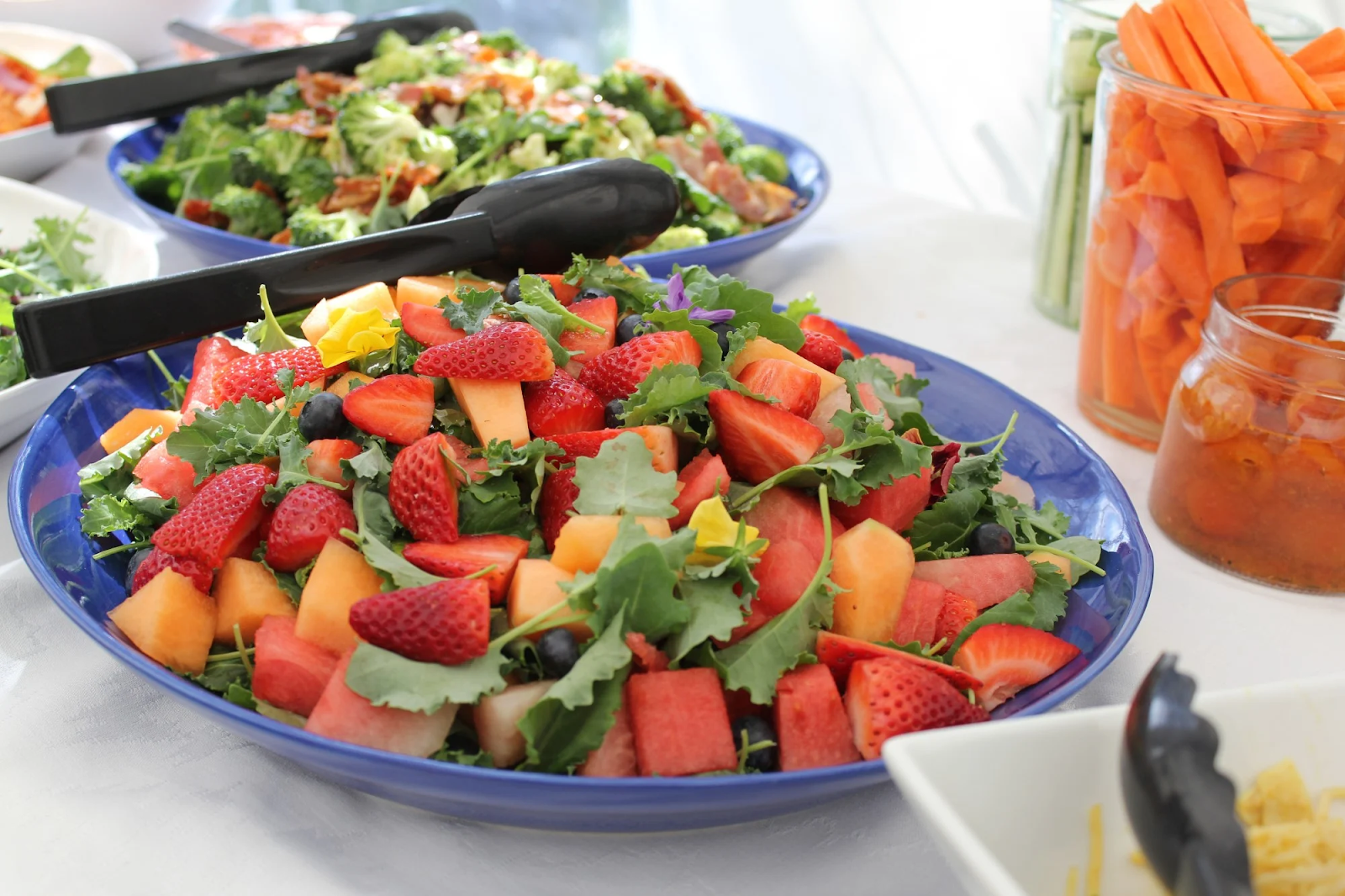
Choose items that hold up well under varying conditions. Grilled proteins, sturdy salads, and room-temperature tapas often fare better than delicate soufflés or chilled seafood in uncontrolled environments. For outdoor events, keep perishables on ice and have shade structures available for food displays.
Communicate with your catering team about the environment early in the planning process. The more they know, the more they can adapt the menu to keep everything safe, fresh, and visually appealing. It’s better to slightly adjust your culinary vision than risk serving dishes that arrive soggy or spoiled.
When you plan your event menu with intention, everything else falls into place. Smart menu choices keep guests energized, minimize service disruptions, and leave everyone with a positive impression. From the first appetizer to the last bite of dessert, a well-executed food experience reflects your event’s quality and care. With the right menu, your gathering won’t just run smoothly—it will be remembered for all the right reasons.