
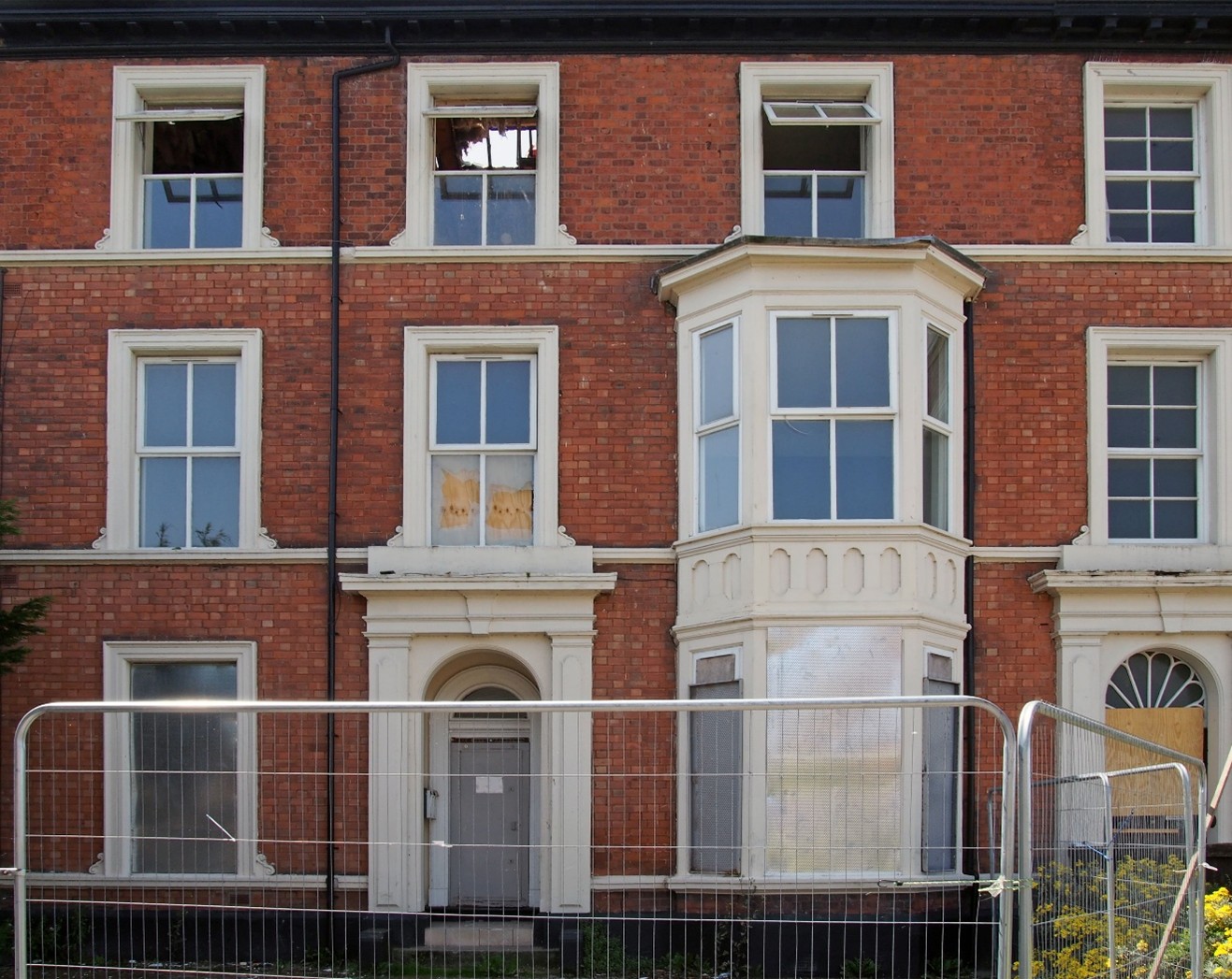
Urban landscapes across the globe are undergoing a quiet revolution. Amid the glimmer of new high-rises and luxury developments, another movement is taking hold—one rooted not in new construction but in the restoration and revitalization of existing structures. This movement, often referred to as "rehabbing," is transforming aging properties into valuable assets, breathing new life into communities while delivering strong returns on investment (ROI) for developers, homeowners, and cities alike. Romy Solanji of Houston, TX, explains that the rise of rehabbing in urban markets is not just a trend; it’s a strategic approach to urban renewal that makes economic, environmental, and social sense.
Rehabbing, or property rehabilitation, refers to the process of renovating and restoring residential, commercial, or industrial buildings that have fallen into disrepair or are no longer in use. Unlike flipping, which often focuses on cosmetic updates for a quick resale, rehabbing involves more extensive repairs and often includes structural work, systems upgrades (HVAC, plumbing, electrical), and code compliance modifications. In urban markets, this may include turning abandoned warehouses into modern lofts, restoring historic brownstones, or transforming neglected multifamily housing into updated living spaces.
Romy Solanji of Houston, TX, understands that the rise of rehabbing can be traced to several converging forces: aging infrastructure in major cities, limited availability of buildable land, rising construction costs, and a growing awareness of the need for sustainable development. In many urban areas, developers and investors are finding that breathing new life into existing properties offers a more cost-effective, community-friendly alternative to demolition and new construction.
One of the most compelling reasons for the growth of rehabbing is the potential for significant returns on investment. Romy Solanji of Houston, TX, understands that while the initial costs of a rehab project can be considerable—especially if major repairs or structural changes are needed—the long-term gains often outweigh the expenses.
A 2023 report by the Urban Land Institute found that adaptive reuse and rehab projects in major U.S. cities delivered returns of up to 20% more than comparable ground-up developments when considering factors like time-to-market and cost per square foot.
Rehabbing isn’t just about aesthetics—it’s a complex process that involves navigating local building codes, zoning regulations, and permitting requirements. Romy Solanji of Houston, TX, explains that this aspect can be daunting, especially in older urban areas with outdated or inconsistent records.
Despite the red tape, many municipalities are beginning to streamline processes for rehab and adaptive reuse projects. Recognizing their potential to address housing shortages and boost economic development, some cities are creating “fast-track” permitting programs to encourage investment.
While the financial and logistical aspects of rehabbing are important, the broader community benefits are equally vital. In many cases, Romy Solanji of Houston, TX, explains that the transformation of a single derelict building can have ripple effects throughout an entire neighborhood.
Cities like Detroit, Baltimore, and Philadelphia have seen major gains from strategic rehabbing initiatives, turning abandoned housing stock into affordable homes and mixed-use developments that attract a diverse mix of residents.
As urban centers grapple with challenges like housing affordability, infrastructure decay, and climate change, rehabbing offers a practical and scalable solution. Romy Solanji of Houston, TX, emphasizes that it enables cities to make better use of existing resources while promoting inclusivity, sustainability, and economic resilience.
For developers and investors, the message is clear: the opportunities in urban rehabbing are vast and growing. With the right strategy, partnerships, and a commitment to community engagement, transforming aging properties can be both a profitable venture and a powerful catalyst for positive change.
In a world increasingly defined by resource scarcity and urban density, the future may not belong solely to the builders of new towers but to the visionaries who see potential in the bricks and beams of the past.







