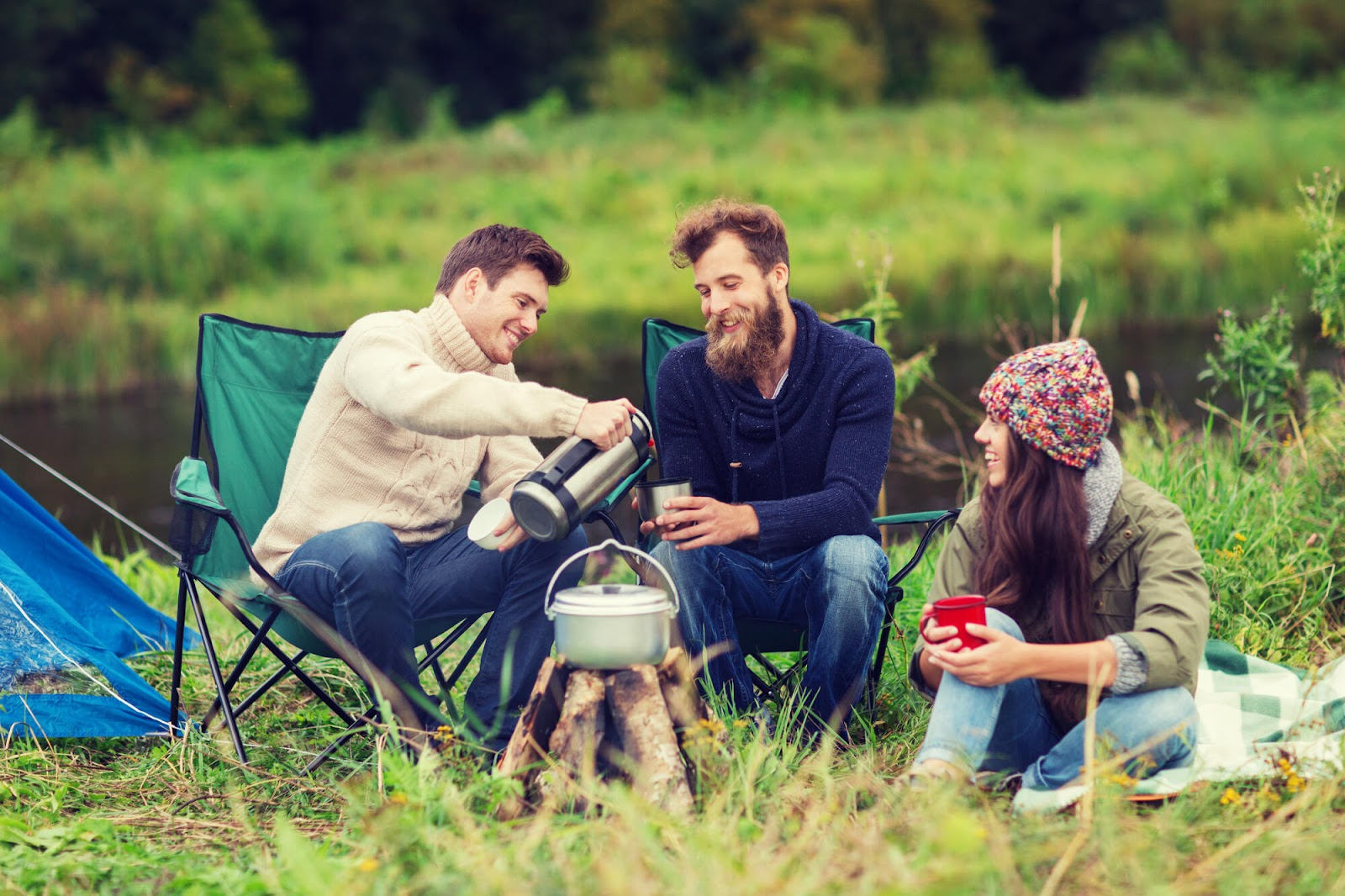
Have you ever wondered what it takes to stay warm and safe while enjoying the outdoors? Whether you're hiking, camping, or just exploring nature, the right gear can make a huge difference.
But how do you know what's essential for keeping cozy and safe during your outdoor adventure? In this blog post, we'll guide you through the key items and tips that will help you stay comfortable and secure in the wild.
By the end of this post, you'll know exactly what to pack and how to prepare for your next outdoor journey.
The Right Clothing for Comfort and Warmth
When you step outside into the great outdoors, what you wear can determine how comfortable you are. Layers are key. Instead of wearing one thick coat, try wearing several layers that you can add or remove as needed.
The base layer, which sits closest to your skin, should keep moisture away from your body. This helps to keep you dry and warm.
A long-sleeve shirt made from materials like wool or synthetic fabrics works well. Avoid cotton because it holds onto moisture and can make you cold.
The middle layer should provide warmth. Fleece is a great choice for this layer because it traps heat without being too heavy. If you expect very cold conditions, you might consider a down jacket or a synthetic jacket that is designed to keep you warm even when wet.
Finally, the outer layer is your protection from wind, rain, or snow. A good waterproof jacket or shell is essential to keep the weather from affecting you.
For example, a snugpak jacket is a great choice for a lightweight, warm outer layer. It's designed to keep you warm without being too bulky, making it perfect for layering. With the right jacket, you'll be ready for any cold weather that might come your way.
Choosing the Right Footwear
Your feet are one of the most important parts of your body when you're out on an adventure. If your feet get wet or cold, it can make your whole trip uncomfortable. Be sure to choose boots or shoes that are waterproof and provide plenty of support.
For hiking, sturdy boots that cover your ankles are ideal. These boots help prevent injuries and provide extra warmth. If you're planning to walk through streams or wet areas, waterproof boots are essential.
Don't forget about socks! Wool or synthetic socks are great for keeping your feet dry and warm. Be sure to bring extra pairs of socks in case they get wet. Keeping your feet comfortable will help you focus on enjoying your adventure.
Staying Safe with the Right Gear
Safety is just as important as comfort when it comes to outdoor adventures. One of the most important things to consider is your shelter. Whether you're camping or hiking, always bring a tent or shelter that can protect you from the elements.
A good tent should be waterproof and easy to set up. If you're planning to hike, a lightweight tent that you can easily carry is a good choice.
Another essential piece of gear is a sleeping bag. Make sure the sleeping bag is rated for the temperature you expect.
If you're going camping in colder weather, a sleeping bag designed for lower temperatures will keep you warm through the night. You can also bring a sleeping pad to help insulate you from the cold ground.
You should always bring a headlamp or flashlight to make sure you can see at night. Having a reliable light source can help you avoid accidents and find your way if it gets dark. It's also smart to bring extra batteries just in case.
Food, Water, and Other Essentials
When you're outdoors, it's important to stay hydrated and well-fed. Always bring enough water to keep you hydrated, especially if you're hiking or engaging in strenuous activities. Water bottles are easy to carry, and a hydration pack can be a convenient option if you plan to walk for long distances.
For food, non-perishable items like energy bars, nuts, and dried fruits are great for snacks. If you're camping, you can bring lightweight meals that are easy to cook over a campfire or stove. Just make sure you have a way to store your food properly to keep animals away.
In addition to food and water, there are other essentials to consider. A first-aid kit is always a good idea in case of injuries. It's also smart to bring a map, compass, or GPS device to help you navigate, especially if you're heading into unfamiliar territory.
Weather Considerations
Before heading out on your adventure, always check the weather forecast. If you're going into a mountainous area or a place where the weather is unpredictable, be sure to pack for all kinds of conditions.
For example, if you're hiking in the mountains, temperatures can drop suddenly, even in the summer. Having a jacket, hat, and gloves can help protect you from unexpected cold weather.
Additionally, you might face rain or snow, so it's crucial to have waterproof gear, including a jacket and boots. Make sure your gear is designed to handle these conditions so that you stay dry and comfortable throughout your adventure.
What to Do if You Get Lost?
Sometimes, even the best-prepared adventurers can get lost. If you find yourself in this situation, stay calm and remember a few important steps. First, try to retrace your steps if you can. If that's not possible, find a safe spot to wait until help arrives.
Having a whistle and a signal mirror can help rescuers find you more easily. If you have a GPS or smartphone with a map, use it to figure out where you are and try to head toward a safe location. It's always a good idea to tell someone your planned route before heading out so they can alert authorities if you don't return on time.
Your Next Outdoor Adventure Awaits
Now that you know how to stay warm and safe during your outdoor adventures, you're ready to get out there and explore! With the right clothing, gear, and preparation, you can enjoy the beauty of nature without worrying about the cold or other challenges.
Adventure is out there, and it's waiting for you! So pack your gear, layer up, and get ready for your next adventure. Did this guide help you? Browse the rest of this section for more advice on a variety of topics.