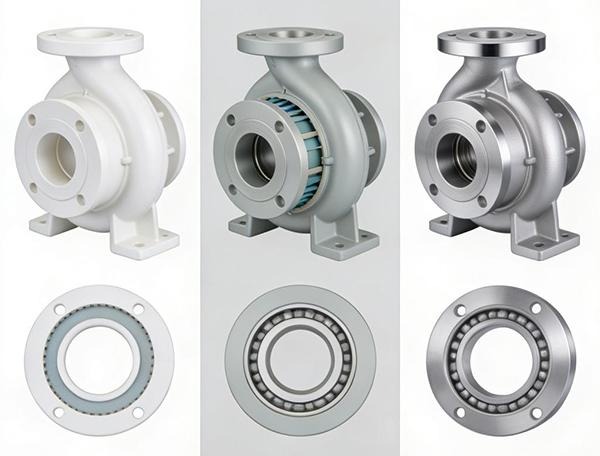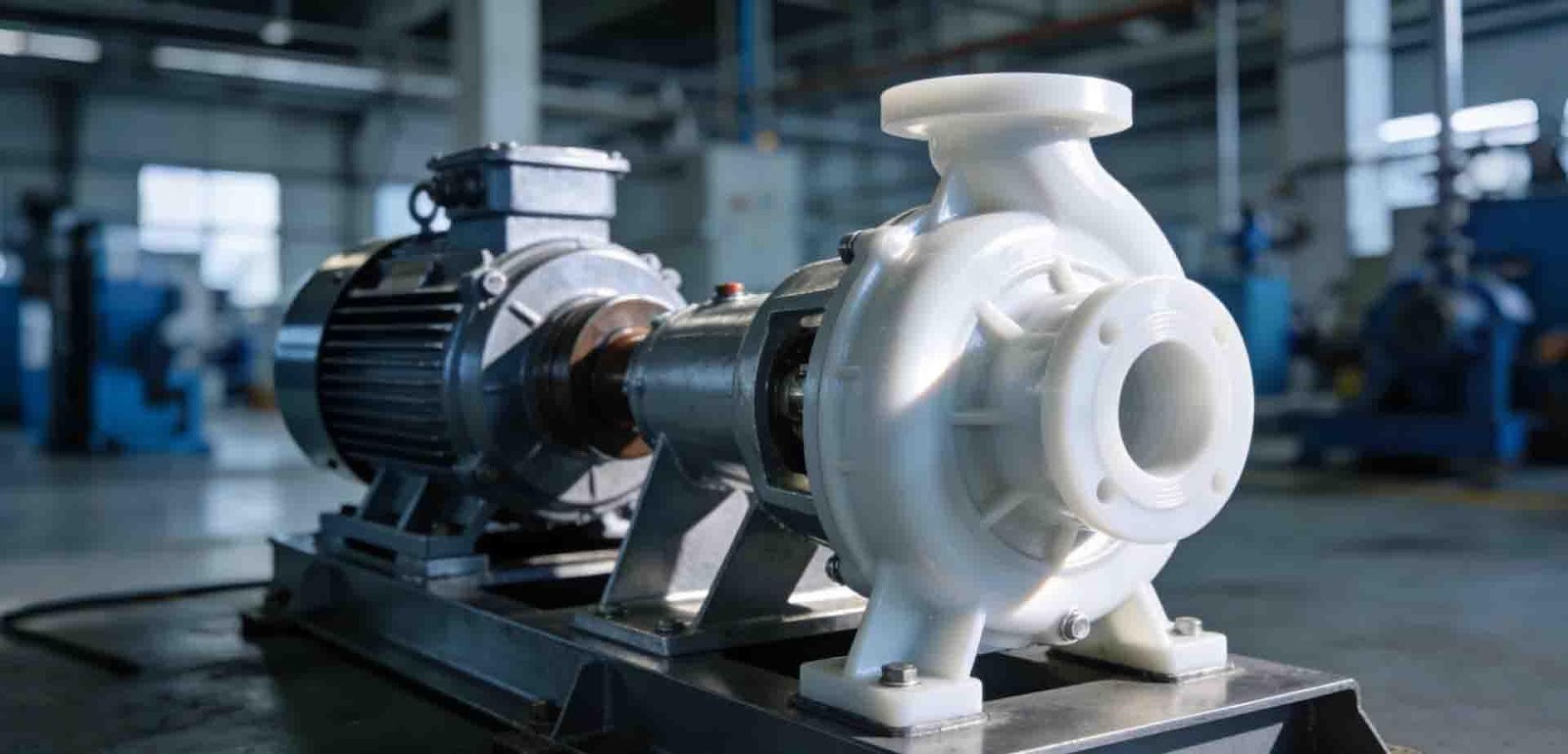
Working with harsh chemicals day in and day out means one thing: if your pump can’t take the abuse, things go wrong fast. Leaks, contamination, equipment failure—none of that is just inconvenient; it’s dangerous and expensive. That’s where Chemical Resistant Pumps come in. These aren’t your average fluid movers. They’re built from the ground up to shrug off aggressive substances that would eat through standard gear in no time. If you’ve ever wrestled with acids, solvents, or other nasty fluids, you already know why picking the right one matters. Let’s walk through what makes these pumps tick, the different kinds you’ll run into, the chemicals they can handle, and how to choose, install, and care for them without the fluff.
A Chemical Resistant Pump is a piece of equipment made to move fluids that would corrode, weaken, or react with regular pumps. Think of it as the tough cousin of general-purpose chemical pumps. Some are also acid resistant pumps, but that’s just one slice of the pie—these pumps handle way more than just acids. The big difference is in the materials and design. Instead of using plain steel or basic plastics, they’re built with materials like PTFE, PVDF, or special alloys that won’t break down when exposed to harsh substances. The goal? Keep moving the liquid safely, without leaks, contamination, or the pump failing prematurely.
Not all chemical resistant pumps are created equal, and the right type for your operation depends on your application: fluid type, flow rate, pressure requirements, installation space, and whether the pump needs to operate submerged, above ground, or in a portable setup. Below are the most widely used chemical resistant pump types, each with unique advantages for specific chemical handling tasks—including industry staples like chemical resistant diaphragm pumps and specialized units such as chemical resistant vacuum pumps.
Get into the details of each category below:
These are placed directly into the fluid—tanks, pits, and more. For chemical applications, they feature tight seals and corrosion-resistant casings (PVDF or PTFE are common) to prevent leakage. If you need to drain a tank of acidic solution, a submersible model can operate continuously without issue. They are simple: turn it on, and it lifts liquid from below. No fuss, just reliable performance.
A sump pump is a specialized submersible pump designed to remove liquid from low points, such as sump pits where corrosive runoff collects. In battery plants handling sulfuric acid or metal finishing facilities using acidic rinse water, these pumps keep areas dry and prevent chemicals from damaging floors or equipment. They provide a simple solution to a messy problem.
Vacuum pumps handle gases or vapors rather than liquids, but when those vapors include chlorine or ammonia, the pump must resist chemical attack. Chemical resistant models use inert components such as glass-lined chambers or PTFE diaphragms so the pump does not react with the media it processes. Labs use them for solvent distillation; industrial plants use them to handle HCl fumes without pump degradation.
These use a flexible diaphragm to move fluid. They are self-priming and perform well with thick or sludgy chemicals. Chemical resistant versions use PTFE or EPDM diaphragms and corrosion-resistant housings. They are widely used in water treatment for precise dosing of sodium hypochlorite (bleach).
Pouring chemicals from 55-gallon drums is inefficient and hazardous. Drum pumps solve this. They are inserted directly into drums, with wetted parts made of polypropylene or PVDF to resist caustic soda or nitric acid. Labs, warehouses, and small factories use them for clean, safe chemical dispensing.
Transfer pumps move liquids between tanks, containers, or process lines. For chemical use, they require strong seals and durable internals to handle high flows without leakage. For concentrated sulfuric acid transfer, pumps with Hastelloy components provide excellent resistance. They are workhorses for keeping production lines supplied.
The primary purpose of a chemical resistant pump is to handle aggressive chemical media that would corrode or destroy standard pumps. These fluids range from strong inorganic acids to caustic alkalis, volatile solvents, and reactive gases—each with unique corrosive properties that demand specific material and design choices. Below are the most common aggressive media that chemical resistant pumps (and acid resistant pump variants) are engineered to handle.
Go here to match your fluid to the right pump material:
Material selection is the most critical decision when specifying a chemical resistant pump. The wrong material leads to rapid corrosion, leakage, pump failure, and hazardous chemical exposure. Every aggressive medium—from dilute HCl to concentrated caustic—requires a specific material with proven resistance at operating temperature and concentration.
A chemical resistant pump is not just industrial equipment—it is the foundation of safe, compliant, and efficient aggressive chemical handling. From concentrated acids and caustics to chlorine and solvents, these specialized pumps protect personnel, facilities, and the environment while minimizing unplanned downtime.
The most important factor is chemical compatibility, supported by flow, pressure, temperature, and installation needs. Choosing the right type and material ensures long service life and reliable performance. Proper installation and proactive maintenance further extend pump life and prevent costly failures and spills.