In Ocean City and other shore communities, small businesses are doing more than ever to stay competitive. Many local retailers, home-based entrepreneurs, and seasonal sellers now rely on online sales to support year-round revenue.
Selling online creates opportunity. It also creates responsibility.
Customers expect fast shipping, accurate orders, and clear tracking updates. They rarely think about what happens behind the scenes to make that possible. But for small business owners, those behind-the-scenes tasks can quickly become overwhelming.
That’s where fulfillment starts to matter.
When orders begin to increase, growth feels exciting.
But growth also creates pressure.
Inventory must be stored somewhere. Orders must be picked and packed correctly. Shipping labels must be printed. Tracking information must update automatically. Returns must be processed smoothly.
In the beginning, many entrepreneurs manage all of this themselves. Products are stored in spare rooms, garages, or small rented spaces. Orders are packed late at night. Customer emails are answered between shipments.
This works — until it doesn’t.
Imagine preparing for a busy summer season only to discover that inventory counts are off. Or realizing that a delay in shipping means missing a key sales window. In seasonal markets, timing is everything.
As volume increases, small errors become costly. A wrong item shipped once might be manageable. If it happens repeatedly, it can damage trust.
That’s when fulfillment becomes more than just shipping boxes.
Many people think fulfillment simply means delivery.
In reality, it’s a coordinated system.
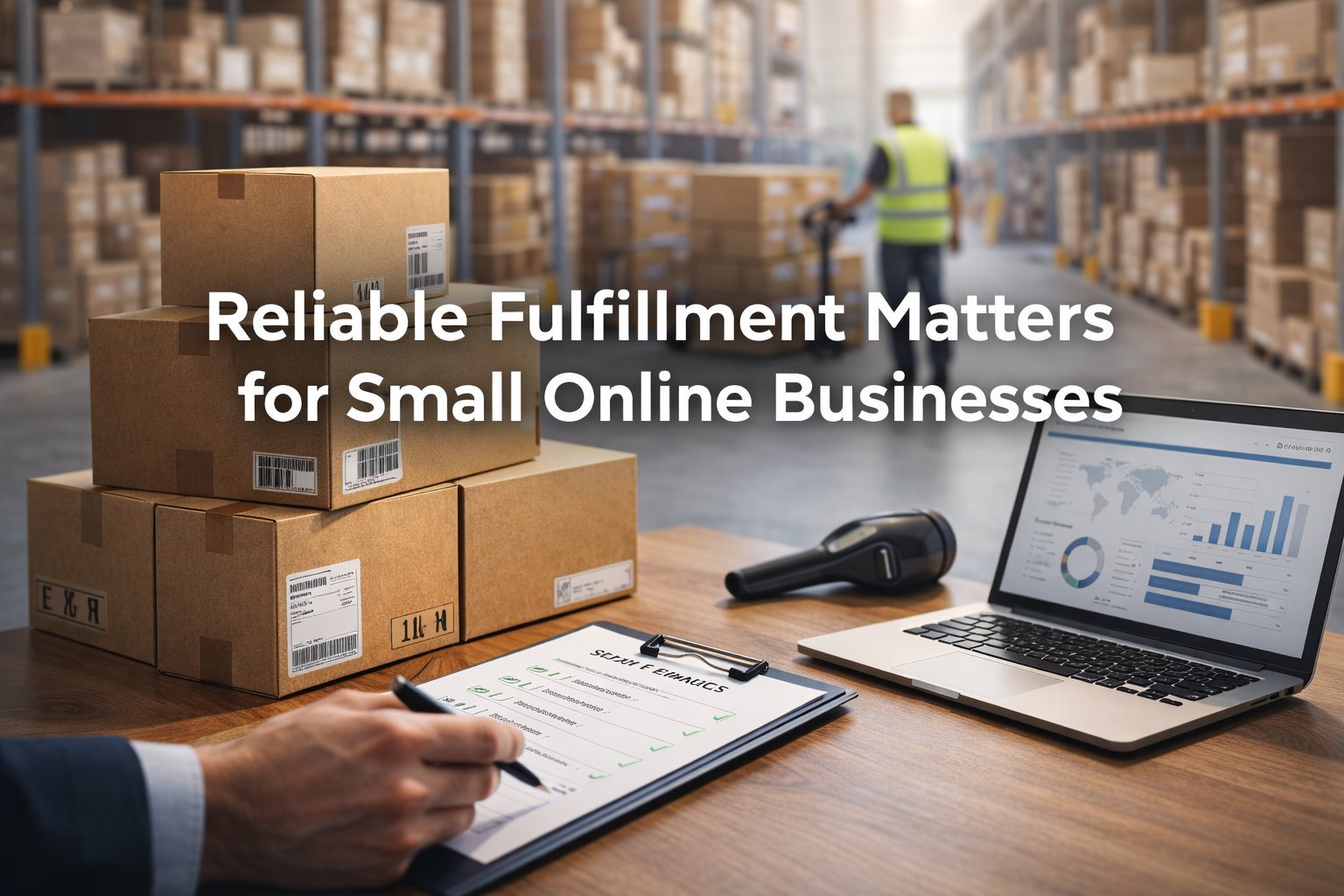
Fulfillment includes receiving inventory, storing it properly, syncing online orders, picking and packing items accurately, creating shipping documentation, and managing delivery through logistics partners.
To handle these steps more efficiently, many growing brands turn to structured product fulfillment services that manage storage, packing, and shipping through defined workflows.
The difference is not just convenience. It’s reliability.
When inventory is stored in a managed warehouse and orders are synced automatically from an online store, mistakes are reduced. When processes are standardized, shipments move more consistently.
That consistency protects both the business and the customer experience.
Small businesses often operate on tight margins.
A delayed shipment can lead to negative reviews. A series of packing errors can result in refunds. In smaller communities, reputation spreads quickly.
Structured fulfillment systems create checkpoints that reduce these risks.
Inventory is logged when it arrives. Orders are synced directly from e-commerce platforms. Items are scanned and verified before shipment. Tracking numbers are updated in real time.
Some providers describe their fulfillment workflow openly so businesses can understand how the process works. FuleiSourcing —a China-based sourcing and dropshipping company—explains how inventory storage, order synchronization, and shipping coordination are handled through defined operational systems.
Seeing how these processes function can help business owners decide what level of structure they need as they grow.
The goal isn’t to hand off control. It’s to reduce uncertainty.
Communities along the Jersey Shore often experience strong seasonal shifts.
During peak months, order volume can rise quickly. During quieter periods, businesses focus on planning, marketing, and preparing for the next busy season.
Fulfillment systems must adjust to both.
Without organized inventory management, scaling up during busy months becomes stressful. Without streamlined packing and shipping processes, sudden demand can create bottlenecks.
Structured systems allow businesses to scale without chaos.
Instead of scrambling to reorganize storage or rush shipments, owners can rely on established processes that handle increased volume smoothly.
That flexibility creates stability.
When business owners spend hours packing boxes and fixing shipping mistakes, they have less time to focus on growth.
Marketing efforts slow down. New product ideas get delayed. Customer relationships become reactive instead of proactive.
Reliable fulfillment frees up time.
It allows owners to concentrate on branding, partnerships, and long-term strategy rather than daily logistics.
For many small businesses, that shift makes the difference between feeling overwhelmed and feeling in control.
Customers may never see the warehouse or packing station. But they notice the results.
Fast delivery builds confidence. Accurate orders build trust. Clear tracking reduces frustration.
In communities where repeat customers matter, reliability becomes part of a brand’s identity.
When shoppers know they can count on timely, accurate delivery, they are more likely to return — even if similar products are available elsewhere.
Fulfillment, in that sense, becomes part of the customer experience.
Structured fulfillment does come with costs. Warehousing, software systems, and logistics coordination require investment.
But unstructured fulfillment carries hidden costs as well.
Returns, refunds, damaged reputation, and lost seasonal revenue can quickly exceed the cost of a more organized system.
For many business owners, the decision is no longer just about saving money upfront. It’s about protecting stability over time.
Stability often preserves profit margins better than trying to manage every operational detail alone.
Online sales are not slowing down. Even businesses rooted in local communities are reaching customers across the country and beyond.
As competition increases, operational reliability becomes part of what sets small businesses apart.
Fulfillment is no longer a background task. It is a core part of running a modern retail operation.
For small businesses in Ocean City and similar seasonal markets, building structured fulfillment systems may be one of the most practical steps toward long-term growth.
When storage, packing, and shipping run smoothly, owners can focus on serving customers and strengthening their business.
And in today’s marketplace, reliability is often what makes a small business stand out.